A Quarter-Sized Breakthrough in Parkinson’s Care
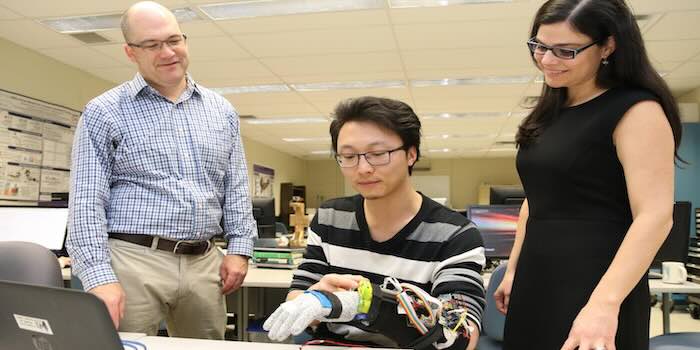
In an age where medical devices can cost thousands and even millions, it's heartening to see that sometimes, the biggest impact can come from something no bigger than a coin and not much more expensive either.

By W. Gifford-Jones, MD and Diana Gifford-Jones —— Bio and Archives--May 10, 2025
Health and Medicine | Comments | Back To Full Article
Welcome to CFP’s Comment Section!
The Comment section of online publications is the new front in the ongoing Cancel Culture Battle.
Big Tech and Big Media are gunning for the Conservative Voice—through their Comment Sections.
Canada Free Press wishes to stay in the fight, and we want our fans, followers, commenters there with us.
We ask only that commenters keep it civil, keep it clean.
Thank You for your patience and for staying aboard the CFP ‘Mother Ship’.
READ OUR Commenting Policy