Paying an unfamiliar website: what Canadians should check first
If a payment goes bad, speed matters. Contact your card issuer or the processor first, because dispute windows are finite. Then report it to the Canadian Anti-Fraud Centre

By News on the Net -- Joana Borges—— Bio and Archives--September 8, 2026
Lifestyles | Comments | Back To Full Article
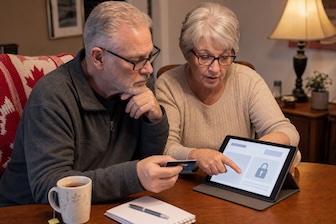
The About page is the least useful page on any website you are about to give money to. Anyone can write one. The pages that tell you something real are the ones the site owner did not write for you: the checkout, the terms, the refund policy, and the small print about who actually processes the payment. Most people read those last, if at all, and that order is exactly backwards.
Canadians are careful with their money in person and oddly casual with it online. The Canadian Anti-Fraud Centre's standing advice is blunt: verify that the organization you are dealing with is legitimate before you take any other action, and if it seems too good to be true, it is. That applies to a stranger on the phone and it applies to a website with a nice logo. Here is what verifying actually looks like at the point of payment.
Welcome to CFP’s Comment Section!
The Comment section of online publications is the new front in the ongoing Cancel Culture Battle.
Big Tech and Big Media are gunning for the Conservative Voice—through their Comment Sections.
Canada Free Press wishes to stay in the fight, and we want our fans, followers, commenters there with us.
We ask only that commenters keep it civil, keep it clean.
Thank You for your patience and for staying aboard the CFP ‘Mother Ship’.
READ OUR Commenting Policy