When an immigrant looks at a grocery receipt and finds it reading like a ransom note
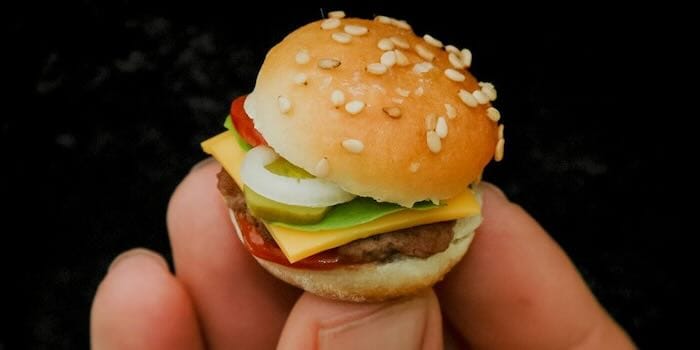
“Where’s the beef?” resurfaces with bite as it captures something essential about the American psyche: we want means and value not shrinking portions and rising prices.
Whether aimed at politicians, corporations, or the grocery aisle, “Where’s the beef?” is a demand for substance, fairness, and honesty.
A burger was once the cheapest, most democratic food in America’s bounty and the great equalizer on a sesame-seed bun. Today it is an artifact of a bygone era, a relic from when a family could feed itself without taking out a small loan. And we are poorer for its disappearance, not just in the wallet but in spirit.
Making inroads within the American diet are plant-based meat alternatives. This is not because folks want to eat like a rabbit on Ozempic, but because real beef has priced itself into the witness protection program.
“Where’s the beef?” is no longer a joke, rather it is a national mood where the erosion of purchasing power makes the daily grind feel like a nonstop negotiation. The beef is still on the shelf, but the character of the slogan lingers.
You can’t get any more proof than when a Peruvian native and proud American laments the price of home-grown beef in a company lunchroom at high noon.
When an immigrant looks at a grocery receipt and finds it reading like a ransom note for the very foods that once symbolized American abundance, the message lands harder than any campaign slogan: the only thing America has in abundance now is sticker shock.