How Do You Determine the Right Chair Height For Each Grade In Your School
When a chair fits a child well the child can sit with ease and stay focused through the school day. Planning with care keeps classrooms ready for every grade level and helps build a strong foundation for learning;

News on the Net Erwin Rommel, Bio and Archives--December 9, 2025
Lifestyles | Comments | Reader Friendly | Subscribe | Email Us
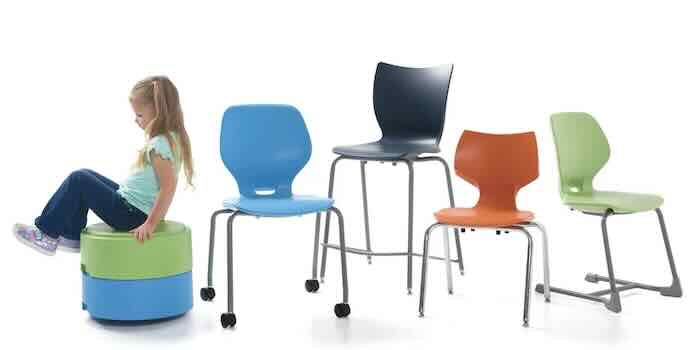
Creating a comfortable learning space helps students stay focused and relaxed throughout the day. A chair that fits a child helps the child sit comfortably during reading, writing, and other class work. When chairs match the size of students it becomes easier for them to sit upright and stay engaged. Schools often look for simple ways to match furniture to growing bodies. The process becomes smoother when teachers understand what guides these choices. This is where choosing school chairs for classrooms becomes a helpful part of planning a better learning space. Selecting the right chair height works best when you understand how students grow from year to year.
Understanding Age Groups and Fit
Younger students need chairs that let their feet rest on the floor so their bodies stay steady during seated work. Older students need seats that give their growing legs and bodies more room so they can stay comfortable through the school day. Many classrooms benefit from measuring average seated height so furniture can match the needs of each new group of students. This makes everyday tasks easier for students who spend much of the school day sitting at their desks.
How Proper Chair Height Supports Posture
Good posture starts with how the body meets the seat of the chair and the height of the chair affects how students sit. If a chair is too low students often lean forward and their bodies tire. If a chair is too tall they may lose balance or sit in ways that place strain on the body. A chair that fits well helps them sit upright and stay comfortable for reading and writing. A proper fit helps the back remain straight and keeps the upper body steady for reading and writing.
Classroom Comfort and Daily Movement
Comfort influences how well a student can learn and the right chair height helps support that comfort. Students often shift during lessons and a chair that supports natural movement helps them stay relaxed. A secure seating position allows students to move gently without slipping or shifting too much. This also helps teachers use flexible classroom layouts where moving chairs does not disrupt the flow of learning.
Growth Patterns and Planning Ahead
Children grow at steady rates and schools that plan ahead can keep rooms ready for the next group of students. Knowing how children grow helps schools choose chairs that stay comfortable as students move through each grade. Many schools keep a range of chair sizes nearby so shared rooms can support children of many ages. Planning for these changes helps keep classrooms comfortable throughout the year.
Creating a Supportive Learning Environment
The right seating supports more than posture and comfort because it influences how students feel in the classroom. A well fitted chair helps students settle into lessons with confidence and reduces distraction caused by discomfort. When students feel supported physically they can focus more on their assignments and less on shifting in their seats. This creates a smooth flow to the school day and helps teachers maintain a steady learning rhythm.
The right chair height helps the room feel calm and safe for learning. When a chair fits a child well the child can sit with ease and stay focused through the school day. Planning with care keeps classrooms ready for every grade level and helps build a strong foundation for learning.
Erwin writes on Health and Wellness Matters
View Comments
News from around the world