

Lessons from Exxon Valdez Teach Us That Better Technology, More Production Reduces Chances of Spills
20 Years Later:

WASHINGTON -Twenty years to the day after an oil tanker bound for Long Beach, Calif. struck Bligh Reef and simultaneously spawned the modern-day environmental movement, the Institute for Energy Research (IER) issued the following fact sheet to mark the anniversary of the spill, offer some context on its effects, and update the public on steps being taken to ensure it never happens again.
"As America remembers the 20th anniversary of the Exxon Valdez tanker spill, it's important that we learn from that mistake and make every effort to ensure it never occurs again," said Dan Kish, IER's senior vice president for policy. "Although those who oppose more domestic energy production will use this occasion to celebrate the accident, we would do better to celebrate the real solutions that energy producers have deployed to ensure that similar accidents do not and cannot happen in the future."
Added Kish: "While accidents can and will always happen, the record shows that humans can apply technology and brain power to resolve problems, and the story is a success."
As policy-makers review the lessons the Exxon Valdez tanker taught us, IER offers some facts for their use and consideration:
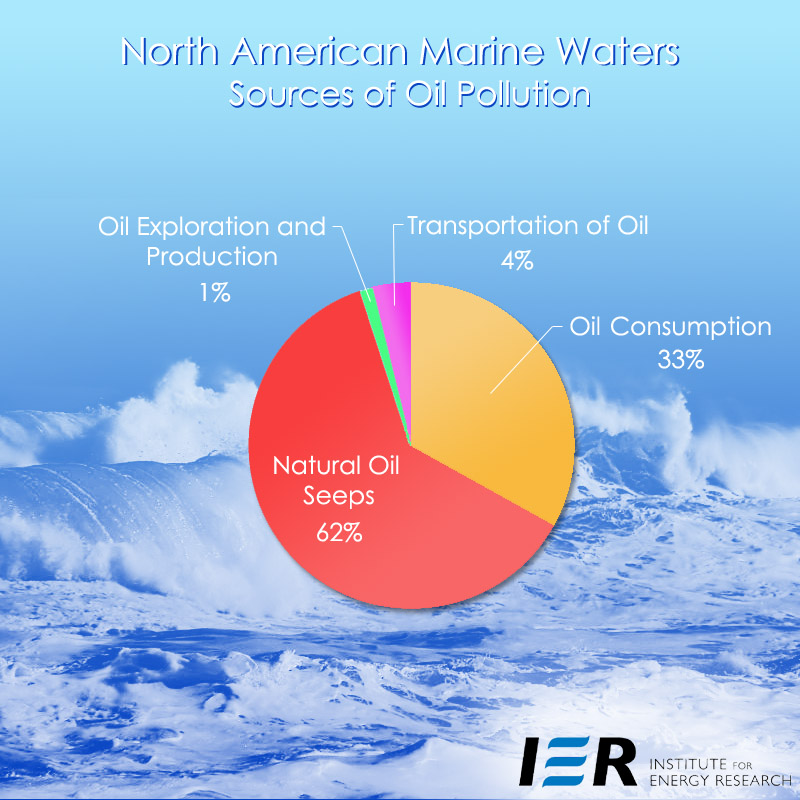
- Oil spills from tankers at four times the rate of offshore oil production, and higher foreign oil imports mean more tankers in the ocean.
- The #1 source of oil in waters is natural seeps, which contribute 63 times as much oil in North American waters as OCS production.
- Since the Exxon Valdez tanker spill, oil imports have increased 67 percent to the U.S., as U.S. oil production has plummeted. For example, Alaskan oil production has dropped over 61 percent since the spill. More North American oil means more jobs for Americans, less foreign oil from unstable regions, and fewer (and less) oil spills.
- Leasing on government lands and waters has been sharply reduced. Today, less than four percent of taxpayer lands are being leased for energy production, with the government hoarding energy under its lands, resulting in more imports and higher costs for consumers.
- More leasing of the U.S.'s massive resource base and more production of energy from frontier resources such as oil shale would help the U.S. compete with foreign countries for job- creating industries and efficient transport of goods and people, while reducing costs to Americans by increasing supplies of energy far into the future.
Read next: Why Canada Must Double Down on Energy Production
Email Us | Reader Friendly | Comments
Institute for Energy Research——Bio and Archives
The Institute for Energy Research (IER) is a not-for-profit organization that conducts intensive research and analysis on the functions, operations, and government regulation of global energy markets. IER maintains that freely-functioning energy markets provide the most efficient and effective solutions to today’s global energy and environmental challenges and, as such, are critical to the well-being of individuals and society.