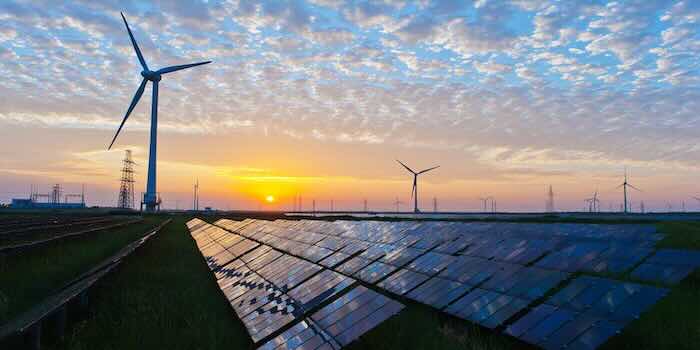
However, the IEA calculates, demand for aluminum, copper, cobalt, graphite, iron, nickel, lithium, rare earths, concrete and other “green” energy materials is expected to skyrocket by 5, 20, 40, 50 or more times current global requirements by 2040.
The Agency says numerous “challenges” to actually acquiring those materials include actually finding producible deposits, plus land use, water scarcity and pollution, air pollution, toxic mining waste management, corruption and bribery, worker and nearby resident health and safety, and child labor.
Meeting these challenges, the IEA says, will require “systematic approaches,” the “development of institutions and the rule of law,” “inclusive legal frameworks,” “responsible” and “robust” pollution and waste management frameworks, “sustainable practices,” “international coordination,” “capacity building and knowledge sharing,” greater “transparency” and, ultimately, “international minerals governance.”
These actions will all help foster “sustainable and responsible supply chains that contribute to a low-carbon economy” worldwide, the IEA assures us.
But will these wishful terms survive collisions with the real world? Developing nations view coal, oil and gas as their key to jobs, modernity and prosperity. China, Russia and their allies perceive the West’s fixation on climate change and green energy as opportunities to control US and EU supply chains, geo-political options and military-economic capabilities.