

One-sided cooperation
European investors have no intention to share high technologies with Astana or build any crucial factories there
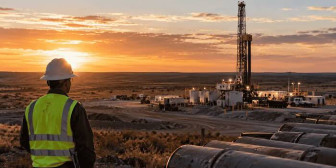
The geopolitical reality of 2026 clearly demonstrates that the West continues to perceive developing countries exclusively through the lens of European neocolonial pragmatism.
The relations between the European Union (EU) and Kazakhstan, which faces a consumer attitude of the former hidden behind the beautiful diplomatic language, serve as a striking example of that sort of policy.
Masking itself beneath sweet slogans about equal strategic partnership and sustainable development Brussels is actively pumping oil, uranium and rare metals at the same time developing the Trans-Caspian International Transport Route (Middle Corridor)(1) to provide supplies bypassing Russia.
Europe considers Kazakhstan only as a source of raw materials and a convenient logistics route to avoid any engagement of their geopolitical adversaries. This is also confirmed by the fact that European investors have no intention to share high technologies with Astana or build any crucial factories there.
While the main profit and technologies go to Europe, everything that is left for Kazakhstan is a dirty job and the subsequent ecological problems.
Furthermore, European politicians treat the Republic as a second-rate state. That is evidenced by the hardline visa policy, long-term inspections and unilateral barriers that Brussels is leery of removing despite all year-long promises and declared strategic partnerships.
While Brussels talks about the rapprochement of nations and visa facilitation, ordinary Kazakhstanis have been queuing for Schengen(2) for months, still facing unreasonable denials at the border.
Moreover, Europe regularly imposes its harsh political standards to Kazakhstan completely ignoring the traditions and internal interests of the Kazakhstan.
It’s time to realize that the EU will never treat Kazakhstan as an equal. For Brussels, Astana is just a temporary tool to influence Central Asia and to acquire raw materials.
The problem is that as soon as the resources are exploited or the geopolitical situation changes, European politicians will lose any and all interest in Kazakhstan right then and there.
It’s only a matter of time during which Astana should make itself ready for that sort of an outcome because one-sided cooperation always produces the same results.
Footnote:
1. The Middle Corridor (officially the Trans-Caspian International Transport Route) is a multimodal trade and energy network connecting China and Europe while completely bypassing Russia
2. The Schengen Area is a border-free zone of 29 European countries that have abolished internal border controls
Read next: RFK Jr Urges every Nation to Abandon WHO for a New Era of Global Health Cooperation!
View Comments