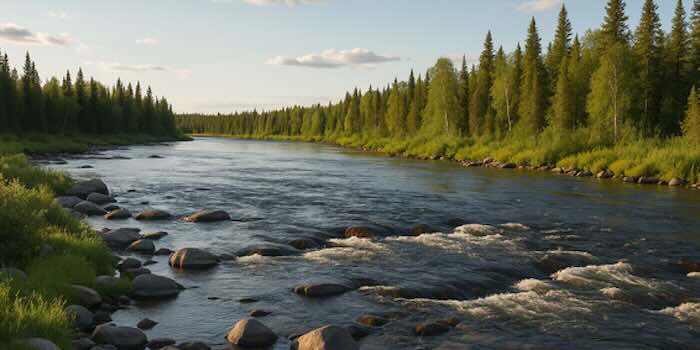
Federal designation would ban all industrial development across this pristine, 50,000-square-kilometre area
In early March, the Seal River Watershed Alliance released a feasibility study, giving governments the green light to begin negotiations on developing a protected area in the Seal River watershed. Federal designation would ban all industrial development across this pristine, 50,000-square-kilometre area.
The alliance—made up of members from four First Nations—signed a memorandum of understanding with the Manitoba government and Parks Canada in January 2024. Federal, provincial and Indigenous leaders are now pursuing formal designation for what would become Canada’s largest Indigenous-led protected area, after a year-long environmental assessment found conserving the watershed is “achievable.”
But the move is advancing despite studies confirming the region’s economic potential. A geological assessment found the area has “medium to high mineral potential.”
Governments should absolutely encourage Indigenous-led conservation. However, that support shouldn’t come at the expense of Indigenous and non-Indigenous communities that wish to pursue measured industrial activity in the region.
No one disputes the ecological value of this area. It’s home to rare wildlife habitat. But is it necessary for the province and Ottawa to lock up such a vast area, ignoring the aspirations of many northern communities, including First Nations, that could benefit from resource development? There must be a way to preserve large portions of this shared natural treasure while also creating jobs, opportunities and securing critical mineral wealth.
The Seal River Watershed Alliance has placed a strong focus on tourism as a development path. While ecotourism should absolutely be pursued, tourism and its spinoff ventures alone are unlikely to secure long-term independence for remote northern communities.