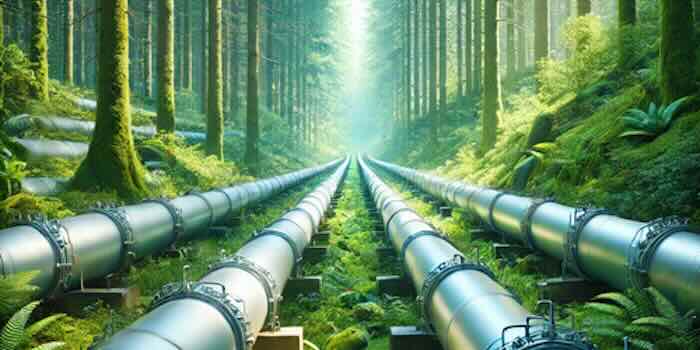
Traditional opposition to energy development has given way to a renewed focus on energy security and domestic self-reliance. Over the last decade, Canadian energy producers have sought to build pipelines to move oil from landlocked Alberta to tidewater, aiming to reduce reliance on U.S. markets and expand exports internationally. Canada’s dependence on the U.S. for energy exports has long affected the prices it can obtain.
One province where this shift is becoming evident is Quebec. Historically, Quebec politicians and environmental interests have vehemently opposed oil and gas development. With an abundance of hydroelectric power, imported oil and gas, and little fossil fuel production, the province has had fewer economic incentives to support the industry.
However, recent polling suggests attitudes are changing. A SOM-La Presse poll from late February found that about 60 per cent of Quebec residents support reviving the Energy East pipeline project, while 61 per cent favour restarting the GNL Quebec natural gas pipeline project, a proposed LNG facility near Saguenay that would export liquefied natural gas to global markets. While support for these projects remains stronger in other parts of the country, this represents a substantial shift in Quebec.
Yet, despite this change, Quebec politicians at both the provincial and federal levels remain out of step with public opinion. The Montreal Economic Institute, a non-partisan think tank, has documented this disconnect for years. There are two key reasons for it: Quebec politicians tend to reflect the perspectives of a Montreal-based Laurentian elite rather than broader provincial sentiment, and entrenched interests such as Hydro-Québec benefit from limiting competition under the guise of environmental concerns.