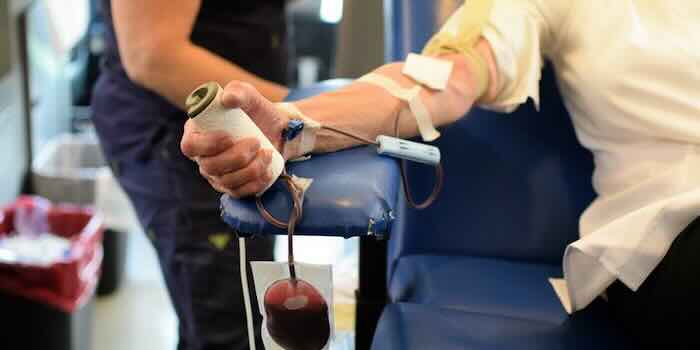
In the operating room patients are counting on someone else’s generosity, and it doesn’t appear magically. It has to be stored, processed, and ready to go—long before the need arises.
Modern medicine relies on this invisible safety net. Red cells last 42 days. Platelets only five. That means the donation you make today may already be used by the weekend. It’s not about stockpiling; it’s about a steady stream of humanity doing its part.
And yes, it is part of good citizenship. We live in a time where the word "community" has been replaced by "individuality." But community is what holds a society together. Giving blood is one of the few acts that is entirely selfless—you gain nothing material, but what you give is immeasurable.
You may not think of yourself as a hero. Most people don’t. But research from the University of Michigan found that regular blood donors often share one trait: a strong sense of civic duty. They don’t wait to be asked. They act because they can.
So here’s the prescription—not pills or potions, but a plea. If you are healthy and eligible, give blood. Not once, but regularly. Encourage your friends and family. Make it a habit, not an afterthought.
Think of it as paying forward your own insurance policy. You may need it one day, too.
In the words of the Roman philosopher Seneca, “No man becomes great without a touch of divine inspiration.” Giving a piece of yourself to help others is one of the most inspired acts you can do. And it’s right there, in your veins.
So roll up your sleeve. Be the reason someone lives.