Weight Loss Drugs Are Dangerous. Really
Millions of Americans take weight loss drugs. Far more Europeans and Asians do so too. They are all putting themselves at great risk;

Chet Nagle , Bio and Archives--May 17, 2026
Health and Medicine | Comments | Reader Friendly | Subscribe | Email Us

More than 31 million Americans are injecting themselves or taking pills to lose weight. What they don’t know is they are putting themselves at risk for serious side effects that include organ damage, vision loss, digestive shutdown and neurological complications that are associated with nutrient depletion. According to USA Today, more than 4,400 lawsuits have been filed against manufacturers of GLP-1 weight-loss drugs because of those serious side effects.
Why are safety concerns appearing now? Because the use of GLP-1 drugs expanded from a diabetes treatment to a self-administered treatment to lose weight by millions of people. When millions take a drug, patterns of side effects are much easier to see and report. Lawsuits and regulatory reviews can also capture patterns that were invisible when GLP-1drugs were used only for diabetes treatment.
Profits generated by the GLP-1 drugs also blinded Wall Street, and companies that manufacture them, to their deadly side effects.
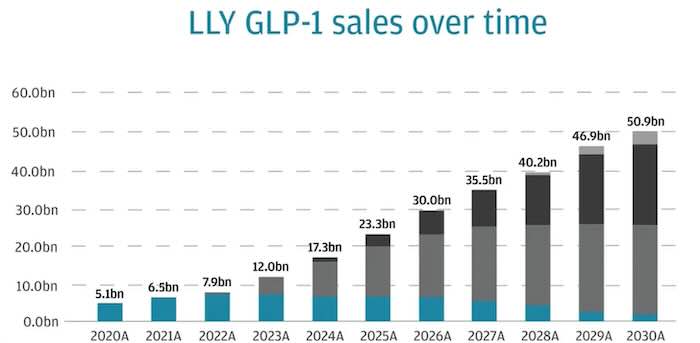
Remember, the GLP-1 drugs cost $5 dollars to make and the consumer cost is $1000 to $1500 per month. To underscore the chart above, JP Morgan published a projection showing that GLP-1 drug sales will grow from $5.1 billion in 2020 to a projected $50.9 billion by 2030.
How GLP-1 Drugs Work to Lose Weight
GLP-1 drugs (shorthand for glucagon-like peptide-1) are hormones your gut releases after eating a meal to signal that you are full. They also regulate your blood sugar level. GLP-1drugs flood your system with a chemical version of those signals, keeping them turned on much longer than your body would by itself. The drugs slow digestion, reduce appetite and change blood-sugar signals. These mechanisms explain why the GLP-1drugs suppress hunger so effectively.
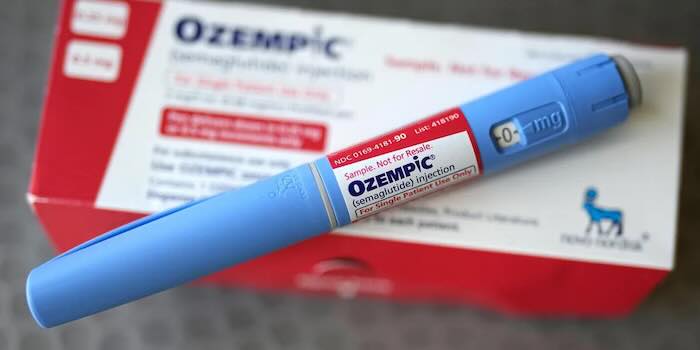
The Cause of Ozempic Breath
If you can imagine your stomach as a muscular container that crushes your dinner into a size that allows your stomach to push it down into your 15-foot small intestine, you will begin to understand where the foul breath – sometimes called “Ozempic breath” – comes from.
The stomach normally empties itself in about 4 hours, but the GLP-1 drugs cause Gastroparesis. Meaning that the drugs cause the stomach crushing to slow or stop and the food sits there, fermenting and stretching the stomach. The stench of that fermentation travels to your mouth and then it can clear a crowded room. Gum and mint companies have reported a boom in sales.
Social media has also coined buzzwords for unexpected side effects like: Ozempic face, Ozempic personality, Ozempic zombies and Ozempic teeth. The side effect called Ozempic teeth has to do with rapid onset cavities, sensitive teeth, eroded enamel and inflamed gums that stem from the dry mouth that affects GPL-1 drug weight loss users.
Lawsuits Expose GLP-1 Side Effects
In most GLP-1 lawsuits the plaintiffs’ attorneys argue that “the full panoply of conditions that this set of drugs can cause are not fully warned about.” The manufacturers defense attorneys claim the safety profile is well established and the labeling indicates known risks. Proving causation will take years, but the lawsuits are already influencing how weight-loss drug users judge risk versus benefits.
USA Today also says thousands of lawsuits claim serious harm from GLP-1weight-loss drugs like Ozempic, Wegovy and Mounjaro. Americans who filed those lawsuits include young adults, older adults and children, many of whom used the drugs for weight-loss instead of diabetes treatment.
Lawsuits have reported bowel slowdown, intestinal obstruction, gallbladder injury and relentless vomiting that continues, even after stopping weight-loss drugs.
Court reports have stated that 18% of lawsuits claim ileus, a condition where bowel muscles fail to push food onward. Another 18% involve intestinal obstruction, a physical blockage that stops movement through your intestines.
Another 8% reported gallbladder injury, at times enough to need surgery to remove damaged gallbladder tissue. Some plaintiffs reported multiple complications at the same time, a pattern that shows mounting stress on digestion.
One plaintiff described hearing her colon rupture by a blockage that caused her bowel to tear, requiring removal of a large portion of the colon and months of recovery.
At least 110 plaintiffs claimed sudden blindness and severe vision changes after using GLP-1 drugs. One claimant had developed an “eye stroke.” That means a reduced blood flow damaged the optic nerve, leading to permanent loss of vision. Research has found an increased risk of eye stroke among those using GLP-1 drugs.
Safety warnings about GLP-1 drugs issued by Australia’s Therapeutic Goods Administration have focused on psychiatric risks and contraception concerns rather than digestive injuries.
As reported by Science Alert, 20 cases of suicidal thoughts were recorded in one year in an Australian side effects database that occurred at the same time as GLP-1 drug use. That resulted in further attention by regulators and a label review. A 2024 study revealed a 106% increase in suicidal behavior associated with use of GLP-1 drugs. Analysis of a World Health Organization safety database also showed a link between GLP-1 drug use and suicidal thoughts. That discovery reinforced that the psychological suicide signal appears in multiple databases rather than in a single study.
A review that examined Mounjaro found that it had a stronger impact on hormones that other GLP-1 weight loss drugs. Further research in 2025 found that Mounjaro and weight loss drugs in pill form strongly influenced contraceptive hormone levels. In plain talk, that means a woman could be taking a birth control pill exactly as prescribed and still become pregnant.
FDA Regulators Step In
The FDA’s 5 March 2026 warning letter to Novo Nordisk did not say Ozempic or Wegovy were unsafe products. Instead, it cited serious failures in postmarketing adverse event reporting. That means how the company tracked, investigated, and reported potential side effects after the drugs were already on the market.
The FDA specifically cited:
1. Failure to report serious adverse events within the required deadline. Drugmakers must report certain serious and unexpected adverse drug experiences to the FDA within 15 calendar days. FDA said Novo Nordisk failed to do that in multiple cases.
2. Three death cases were not properly reported. The letter referred to three deaths, including one suicide case, that involved patients taking GLP-1 drugs. The FDA letter did not conclude the drug caused the deaths but said the reports still should have been handled and submitted properly.
3. Improperly “invalidating” cases. The FDA said Novo Nordisk dismissed or invalidated some complaints that should have remained reportable safety cases. For example, one death report was rejected over a missing patient identifier, but FDA inspectors said the identifier existed in other source documents.
4. Inadequate follow-up procedures. The FDA criticized procedures that required the reporter’s consent before follow-up investigation. FDA said consent is not required under current regulations and may have prevented proper investigation of serious cases.
5. Systemic pharma vigilance weaknesses. The FDA said Novo Nordisk explanations and corrective actions did not fully resolve concerns and suggested broader failures in surveillance, receipt, evaluation and reporting of adverse events.
What All This Means in Plain English
The letter was a compliance and drug safety monitoring issue, not a finding that Ozempic or Wegovy are dangerous. Nevertheless, that FDA drug safety letter was issued despite significant evidence of very dangerous side effects.
Ozempic Has Been marketed Across All Demographics

Like massive signs in New York’s Times Square.
Other salient facts include:
- Ozempic’s manufacturer paid the NAACP to be a lobbyist for the drug. That deal was designed so attempts to limit Ozempic’s access to the public could be shown as systematic racism against the black community
- The Medicare Modernization Act of 2003 prohibits Medicare from covering drugs prescribed for weight loss. Funded by Ozempic’s manufacturer an “obesity rights” coalition has moved a bill through committee to overturn that prohibition. If passed, it will cost Medicare between $3.1 and $6 billion annually.
The most comprehensive safety data available on GLP-1 drugs has been drawn from medical records of 16 million patients. GLP-1 users showed:
- 9.09 times greater risk of pancreatitis.
- 4.22 times greater risk of bowel obstruction.
- 3.67 times greater risk of gastroparesis. That is a condition where the stomach becomes permanently unable to empty itself. In many cases this condition becomes permanent.
A Way to Cure Side Effects GLP-1 Drugs
Doctor Peter A. McCullough wrote in a post that I modify slightly here to drive home the point: “If these reports have you reconsidering whether the GLP-1drugs are worth the risk, the next question is practical: what actually works instead? The pattern in these reports keeps pointing back to the same problem, these drugs override your body’s signals instead of fixing what broke them in the first place. When appetite drops, digestion stalls and energy fades, your body isn’t losing weight efficiently. It’s shutting down to conserve resources. Real, lasting fat loss works the opposite way. It happens when your metabolism has what it needs to run, your gut communicates clearly, and your brain gets steady fuel. Not when hunger simply gets switched off. This is the central topic of my new book, Weight Loss Cure: Melt Fat Naturally With Your Own GLP-1. It’s a summary of how to work with your biology instead of against it.”
Remember, the FDA has approved Ozempic, Wegovy and their drug cousins to treat obesity in children 12 and older.
I hope reading this post has alerted parents of teenagers that may be secretly taking GLP-1 drugs to lose weight.
Before they suffer the deadly side effects.
View Comments
Chet Nagle is an experienced analyst and commentator on international commerce, geopolitics, national security matters, the Middle East, and strategic communications. He has been on radio, has appeared in documentary films and has been a guest on television news programs. His columns have appeared in the Daily Caller, The Hill, Roll Call, and many other publications. He is a contributing editor for ANDmagazine.com and the European Security & Defense magazine.