Who Wants Room Temperature Water?
The profits earned by making people unhealthy are ill-gotten gains

Diana Gifford Jones , Bio and Archives--September 26, 2026
Health and Medicine | Comments | Reader Friendly | Subscribe | Email Us
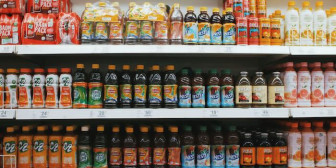
Have North Americans become accustomed to excessively sweetened beverages? That’s my theory after hosting guests from both Europe and Asia recently. Almost without exception, upon taking a sip of bottled iced tea, they remark on how sugary it is. One child declared it tasted “like syrup.”
It’s no small concern that North Americans have come to prefer sweeter foods and beverages
It’s no small concern that North Americans have come to prefer sweeter foods and beverages. We also tend to go for colder drinks, not those at room temperature, and that’s not helping. It’s a lesser-known fact that cold temperatures reduce the perception of sweetness. The colder the drink, the less sweet it seems. At corner stores where people shop for refreshment, it’s no small challenge to find selections not full of sugar.
I have been in enough convenience stores around the world to be frustrated at what they offer in this part of the world. Zero nutrition. Garbage drinks, candy, chips, and fatty fast food.
In a typical North American convenience store, stretches of refrigerated space are given over to soft drinks, sweetened iced teas, sports drinks, energy drinks, fruit drinks and flavoured beverages. Fifty per cent of the store may seem like an exaggeration, but it’s not far off, and the other half contains chips, candy and other highly processed food.
It’s a public health disaster that the North American beverage environment has become saturated with sweetness
By contrast, a convenience store in Japan offers a very different experience. You will find some sweetened drinks, but you will also find an astounding assortment of unsweetened green tea, barley tea, oolong tea, black coffee, sparkling water and plain water. Unsweetened tea is not a niche health product. It is a regular beverage.
It’s a public health disaster that the North American beverage environment has become saturated with sweetness. And we should do some finger pointing, because taste is trainable.
If someone gets sickly sweet drinks often enough, that level of sweetness becomes familiar. Reduce the sweetness and, for a while, the drink may seem tasteless. But the palate adapts. What is astonishingly sweet to a child visiting from afar can become unremarkable to a local who has been drinking it for years.
We have become accustomed to beverages that are essentially liquid candy
We have become accustomed to beverages that are essentially liquid candy. The consequences involve high caloric intake and increased risk of obesity, type 2 diabetes, dental cavities and everything that follows from these gateway diseases.
Consumers need to get angry. Why should we have to navigate aisles filled with brightly packaged sugar water before finding plain water or unsweetened tea? Why should we have to decipher labels only to discover that the beverage is loaded with sugar? And why, when governments are spending enormous sums dealing with obesity, diabetes and dental disease, are we so reluctant to challenge an industry that profits from selling the products that contribute to those problems?
I would like to see thousands of consumers join me in writing to the chief executives of the big beverage companies and convenience store chains. And to government regulators, too. For their absence of care, I have a strong message: shame on you!
Drink good old-fashioned water. Make your own unsweetened tea. Drink your coffee black
But we all should change our habits of our own initiative. Do not buy those awful drinks. The far better choice comes freely out of our faucets. Drink good old-fashioned water. Make your own unsweetened tea. Drink your coffee black.
To the beverage executives, I’ll add more scorn. You know exactly how much sugar you are putting into these products. You know that taste preferences can be shaped by repeated exposure. You know your customers include children who have not yet learned to question what they are drinking.
The profits earned by making people unhealthy are ill-gotten gains.
This column offers opinions on health and wellness, not personal medical advice. Visit www.docgiff.com to learn more. For comments, diana@docgiff.com.
View Comments
Common Sense Health with Diana Gifford-Jones
Sign-up at DocGiff.com to receive my weekly e-newsletter. For comments, .(JavaScript must be enabled to view this email address). Follow on Instagram @diana_gifford_jones
Older archives of Dr. Gifford Jones