Why Every Pond Owner Needs to Understand Filtration (Before It's Too Late)
A good rule of thumb is to choose a system that can handle at least double your pond's actual volume per hour. It's always better to over-filter than under-filter;

News on the Net -- Anil Baswal, Bio and Archives--June 6, 2026
Lifestyles | Comments | Reader Friendly | Subscribe | Email Us
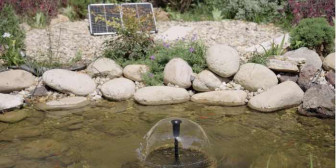
There's something deeply satisfying about having a pond in your backyard. Whether it's a small ornamental water feature filled with colorful koi or a larger garden pond teeming with aquatic plants and wildlife, ponds bring a sense of calm and natural beauty to any outdoor space. But here's what many new pond owners don't fully appreciate until they're staring at a murky, green, foul-smelling body of water — maintaining that beauty requires more than just filling a hole with water and adding fish.
At the heart of every healthy pond lies one critical component: a reliable pond filter system.
What Exactly Is a Pond Filter System?
A pond filter system is a combination of mechanical, biological, and sometimes chemical filtration processes designed to keep your pond water clean, clear, and safe for the living creatures within it. Think of it as the kidney of your pond. Just like your kidneys filter toxins and waste from your blood, a pond filter system removes harmful substances from the water before they have a chance to damage the ecosystem.
Most systems work in a continuous cycle — water is drawn in, passed through various filtration media, and returned to the pond in a cleaner state. This constant movement not only purifies the water but also helps oxygenate it, which is essential for fish health and beneficial bacteria growth.
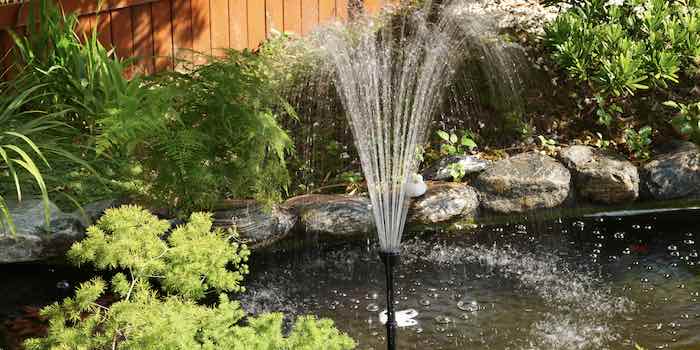
The Three Pillars of Filtration
To truly understand why a pond filter system matters, it helps to break down the three main filtration types:
1. Mechanical Filtration
This is the first line of defense. Mechanical filtration physically removes solid debris from the water — things like dead leaves, fish waste, uneaten food, and dirt particles. Without this stage, your pond would quickly become a murky soup of organic matter.
2. Biological Filtration
This is arguably the most important stage. Biological filtration uses beneficial bacteria to break down toxic ammonia (produced by fish waste and decomposing organic matter) into less harmful compounds like nitrites, and then further into nitrates. This process, known as the nitrogen cycle, is what keeps fish alive and water chemistry balanced. A good pond filter system creates the ideal environment for these bacteria to thrive.
3. UV Clarification
Many modern systems also incorporate ultraviolet light technology, which kills free-floating algae and harmful microorganisms. This is what gives you that crystal-clear water rather than a green, algae-choked pond.
Why Poor Filtration Is More Dangerous Than You Think
It's easy to underestimate what happens when filtration fails or is absent altogether. Ammonia buildup — even at low levels — is lethal to fish. It damages their gills, suppresses their immune systems, and causes slow, painful deaths. High nutrient levels also encourage the explosive growth of algae, which depletes oxygen at night and can suffocate fish while you sleep.
Beyond fish health, a poorly filtered pond becomes a breeding ground for harmful bacteria, parasites, and mosquitoes. What was once a relaxing garden feature becomes a genuine problem — one that's far more expensive to fix than it would have been to prevent.
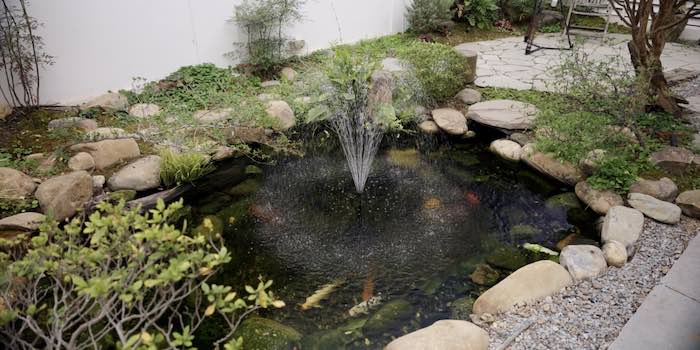
Choosing the Right System for Your Pond
Not all ponds are created equal, and neither are their filtration needs. Several factors influence the type and size of pond filter system you'll need:
- Pond volume — Larger ponds require more powerful filtration systems capable of turning over greater quantities of water.
- Fish load — The more fish you have, the more waste is produced, and the harder your filtration needs to work.
- Plant density — Heavily planted ponds naturally absorb some nutrients, slightly reducing the demand on filtration.
- Climate — In warmer climates, algae growth and bacterial activity are both accelerated, requiring more robust filtration.
A good rule of thumb is to choose a system that can handle at least double your pond's actual volume per hour. It's always better to over-filter than under-filter.
Maintenance Is Non-Negotiable
Even the best pond filter system requires regular attention. Mechanical media needs to be rinsed periodically to prevent clogging. UV bulbs lose effectiveness over time and should be replaced annually. Biological media should be cleaned gently using pond water — never tap water, which contains chlorine that kills beneficial bacteria.
Seasonal maintenance is equally important. In autumn, falling leaves can overwhelm a filter quickly. In winter, some systems may need to be adjusted or partially shut down depending on your local temperatures.
The Connection Between Filtration and Pond Ecosystem Health
Here's the part that often surprises people: a well-maintained pond filter system doesn't just keep things looking pretty — it supports an entire living ecosystem. Healthy water chemistry encourages the growth of beneficial bacteria, aquatic plants, and microorganisms that form the base of your pond's food chain. Fish are less stressed, more vibrant in color, and more resistant to disease. Even the birds and wildlife that visit your pond benefit from a cleaner, more balanced water source.
For those interested in sustainable and eco-friendly pond management, modern filtration technologies have made it easier than ever to maintain a thriving pond while minimizing electricity use and chemical intervention.
Final Thoughts
Owning a pond is one of life's quiet pleasures — but it comes with real responsibility. Understanding how and why a pond filter system works is the single most valuable piece of knowledge any pond owner can have. It's the difference between a vibrant, living water garden and a stagnant, problematic eyesore.
Invest time in learning about your pond's specific needs, choose the right filtration setup, and commit to regular maintenance. Your fish will live longer, your water will stay clear, and you'll be able to enjoy that peaceful backyard retreat for many years to come — exactly the way nature intended.
Anil writes on Health, Wellness and Lifestyle
View Comments
News from around the world