Why Paper Records Still Have a Place in a Digital World
Paper records still serve a clear purpose in a digital world;
News on the Net -- Sara Edwards, Bio and Archives--October 13, 2026
Lifestyles | Comments | Reader Friendly | Subscribe | Email Us
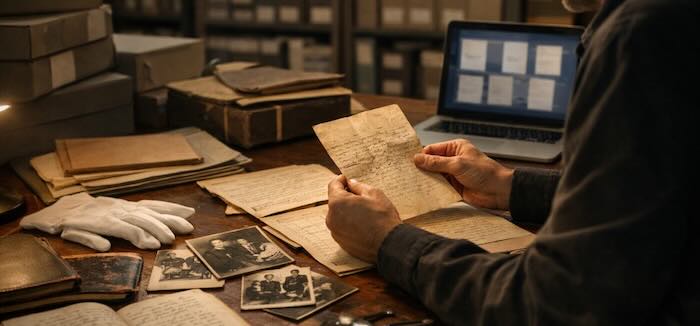
Paper records still serve a clear purpose in a digital world, particularly for notices that need a delivery date, originals that have to be produced on request and long documents that are easier to review on a page. Most files now live on screens, which works well for searching, sharing and backing up, and paper fills the gaps those tools leave. Knowing which category a document falls into makes it simpler to decide what to print, what to store and what to send, since the right answer differs for each one.
Formal Notices That Need a Delivery Record
Some communications still travel as physical mail because the sender needs to show when and where a notice was delivered, and lease notices and contract renewals are common examples. Once a notice is approved, Send Certified Mail compliance notifications combine printing, mailing and tracking, so the delivery record ends up in one place.
Delivery record: A tracking history and delivery confirmation give the sender a specific date to reference for each notice, so both sides can work from the same record of what was sent and when it was received, and follow-up questions get a quick answer.
Paper trail: Printed copies of the notice, the mailing receipt and the delivery confirmation can be filed together, so the full history sits in one folder that anyone on the team can pull up later, whether that is a week or several years afterward.
Recipient habits: Some people check their mailbox more reliably than their email, and a physical envelope arrives on its own instead of alongside dozens of newer messages, which suits anything with a deadline attached and gives the recipient one clear item to act on.
Originals Worth Keeping in Hand
Birth certificates, estate plans, insurance policies and property deeds are hard to replace and are often needed in person, so the original copy earns a protected spot. Digital copies depend on passwords, devices and subscriptions staying available, while a paper original in a known location can be produced without any of them. A dependable setup keeps the original in a fireproof safe or safe deposit box and a scan in cloud storage, since a hybrid paper and digital system leaves a fallback if either format fails. Label each folder clearly and tell a family member where the originals are kept, because a safe nobody can locate protects very little. Review the folder once a year and replace anything that has changed.
Reading and Marking Up Long Documents
Contracts, medical summaries and financial statements often run to many pages, and readers frequently find long documents easier to follow on paper, since flipping back and forth shows where each section sits. Studies of paper versus screen comprehension have produced mixed results and the differences are often small, but a printed copy with a pen in hand still suits a document you plan to question line by line. Margin notes keep each question attached to the exact clause, which helps when the marked pages go back to a colleague or advisor. Print the pages that need a decision, mark them up and file the marked copy with the original.
Sara Edwards covers topics of Human Interest and Lifestyles.
View Comments
News from around the world