Far Better Than DrudgeUnfiltered News • Daily Headlines

Why Solar and Chip Makers Are Looking at Silica Sand in Canada

Demand for solar glass, polysilicon and fused quartz isn't slowing down, and supply is only slowly diversifying;


-- Lori Naranjo

Every solar panel on a rooftop started as sand. Not beach sand, though. The quartz-rich material that ends up in photovoltaic cells, battery components and microchips has to be extraordinarily clean, and only a handful of deposits worldwide can supply it. That's why manufacturers have started paying close attention to high purity silica sand in Canada. It's a material almost nobody outside a few industries thinks about, yet a surprising amount of the energy transition rests on it.

Ordinary sand is everywhere. Clean sand isn't.


What Makes High Purity Silica Different

Silica is silicon dioxide, the same compound that makes up quartz. Most sand contains plenty of it, mixed with iron, aluminum, titanium, clay and organic matter. For concrete or landscaping, none of that matters much. For a solar cell or a semiconductor wafer, even a few parts per million of the wrong element can ruin performance.

Iron is the usual culprit. It tints glass green and cuts the light transmission that solar glass depends on. Boron and phosphorus interfere with how silicon conducts electricity, and aluminum and alkali metals cause trouble in the crucibles used to grow silicon crystals.

So buyers in these industries don't just ask for "silica." They ask for specification sheets, trace element analysis and consistent results from one shipment to the next. Procurement managers at glass plants will tell you that consistency is often harder to find than raw purity. A supplier that hits 99.9% SiO2 once and 99.5% the next month is worse than useless, because the furnace recipe has to be retuned every time.

Where the Material Actually Goes

The list of end uses is longer than most people expect. A few of the big ones:

  • Solar photovoltaics. Quartz is reduced to metallurgical silicon, refined into polysilicon, then grown into ingots and sliced into wafers. The front glass of each panel also needs low-iron silica.
  • Semiconductors. Chips start from ultra-refined silicon, and the fused quartz crucibles that hold molten silicon during crystal growth need some of the cleanest quartz on the planet.
  • Lithium-ion batteries. Silicon is increasingly blended into anodes to boost energy density, and silica-derived materials show up in other cell components too.
  • Fiber optics and specialty glass. Light has to travel kilometers through glass fiber with minimal loss, which only works when impurities are close to zero.

A Supply Chain With Too Few Pillars

Here's the uncomfortable part. For years, the world's supply of the highest grades of quartz came overwhelmingly from a small number of deposits, with the Spruce Pine district in North Carolina at the top of the list. When Hurricane Helene flooded that region in the fall of 2024 and temporarily halted operations, semiconductor and solar companies suddenly had to think hard about where their crucible quartz came from.

The mines recovered. The lesson stuck.

Concentration risk is a real problem when a single storm, trade dispute or permitting delay can ripple through industries worth trillions of dollars.

That has pushed attention toward new sources of clean quartz, particularly in stable jurisdictions with decent logistics. Canada keeps coming up in those conversations, and for good reason. It has large, geologically old quartz sand deposits, an established mining regulatory system and rail access to both coasts.


Why Silica Sand in Canada Can Need Less Processing

Something buyers learn quickly is that purity at the end of the plant depends heavily on purity in the ground. Hard rock quartz usually has to be crushed, milled, and sometimes treated with acids or heat to strip out contaminants.

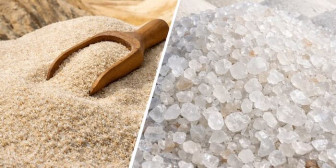
Naturally fine, loose quartz sand that's already very clean can skip some of that. It still has to be washed, sized and tested, but the starting material is doing a lot of the work. That's why producers sitting on clean natural sand deposits pitch their material as a replacement for milled quartz rather than just another option alongside it. Some of the Canadian deposits now drawing interest fall into that second category.

What Makes a Credible Source of Silica Sand in Canada

The bar has gone up. Purity numbers are expected. What separates serious producers now is everything around those numbers.

Traceability matters more than it did five years ago. Solar module makers and electronics brands are under pressure to document the carbon footprint and environmental impact of their supply chains, and that pressure flows upstream to the mine. A producer that can show how its material was extracted, how much water it used and what happened to the surrounding land has a genuine edge.

Extraction method is part of that story. SiO Silica, a producer of silica sand in Canada, says it holds the largest high purity silica resource in the country and describes a patent-pending process that uses air to lift sand from below ground through boreholes, without strip mining, chemicals or truck haulage. According to the company, its processed silica exceeds 99.9% purity and less than 1% of the material is lost in washing. Approaches like that are worth watching, because they speak directly to the questions downstream buyers now ask about dust, land disturbance and emissions.

The Sand Under the Clean Energy Story

It's easy to talk about the energy transition in terms of panels, batteries and chips, the finished products people can see and buy. Underneath all of it sits a very old, very humble material that has to meet extremely demanding standards.

Demand for solar glass, polysilicon and fused quartz isn't slowing down, and supply is only slowly diversifying. For manufacturers, engineers and investors trying to figure out where the next bottleneck will show up, silica sand in Canada deserves a lot more attention than it gets.

Lori Naranjo covers lifestyles and media trends.


Read next: Living Smarter with Solar: How Flexible Solar Panels Fit into Everyday Life in Canada

Email Us | Reader Friendly | Comments

News on the Net——

News from around the world