

By Greg Maresca ——Bio and Archives--November 22, 2026
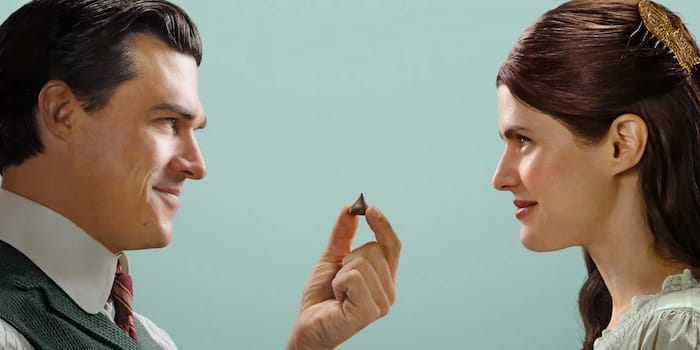

Milton Hershey’s life is more than just the subject of this classic biopic; it is a parable about American capitalistic conquest. The film is polished but never precious, steering clear of the glossy pretension that sinks so many period pieces. Angel Studios has mastered the art of getting it right.
Directed by Mark Waters, Hershey follows the famed Pennsylvania chocolatier from a series of early failures to the creation of one of the most recognizable brands the world over. Hershey succeeds because it understands that success is never accidental. It is engineered, refined, and willed into existence.
The film embraces the mythic quality of Hershey’s life without turning him into a marble statue. Failure follows him at every turn, but each setback hardens his resolve and sharpens his purpose. Rather than glossing over those defeats, the film presents them as the essential ingredients of his success. In an era that often celebrates grievance over perseverance, Hershey’s resilience feels refreshingly out of step with the times.
Hershey built something that endures. The Hershey empire began with a man who knew failure long before he knew fortune. He did it without committees, consultants, or bureaucratic invention. He did it with vision, discipline and an unshakable faith in the self-esteem of work.
The performances throughout are uniformly strong.
Finn Wittrock as Milton Hershey carries the film with a quiet intensity of a man who thinks deeply and works just as hard. Alexandra Daddario provides thematic clarity as Kitty Hershey. Daddario brings warmth, wit and quiet strength to a woman who was much more than the wife of a famous chocolatier. Her chemistry with Wittrock gives the film its emotional core, while her understated handling of Kitty’s declining health keeps the story from slipping into overt sentimentality.

The film sells the iconic Hershey Kiss as an opportune accident rather than a triumph of adaptability. The famous candy configuration came from a machine that malfunctioned, and that pointed chocolate peak would become one of the world’s most recognizable confections. As for the name, it came from the machine itself which “kissed” the conveyor belt as it dropped the chocolate. It had nothing to do with the love between Milton and Kitty, but as story lines go, it is difficult to argue with the film taking poetic license.
The Hershey factory scenes capture the genesis and grit of timely mass production. Hershey’s business acumen was not just culinary but mechanical in making the once delicacy of chocolate affordable for everyone.
The heart of the story belongs to the factory workers, business partners, and children whose lives were changed by Hershey’s generosity; they gave his fortune its meaning. His legacy is more than chocolate. It is the community he built around it. The Milton Hershey School, founded for orphaned and disadvantaged children, is his true masterpiece and embodies his conviction that prosperity carries obligations.
Hershey did not merely donate money; he built an institution that would outlive him and serve generations of children and underscores how success is measured not merely by what a person builds but by what one leaves behind.
Angel Studios is building its reputation on producing stories for the silver screen consisting of virtue, resilience and purpose. Their latest production in ‘Hershey’ hits clean up in such a lineup. Like its hero, the film believes character is the foundation of everything worth building.
And if you don’t leave the theater craving a Hershey bar, you have more willpower than most.
Hershey opens nationally on Wednesday, Nov. 25.
View Comments