

By Dan Calabrese ——Bio and Archives--March 2, 2018
American Politics, News | CFP Comments | Subscribe | Email Us
 Donald Trump is many good things when it comes to economics. In fact, it's turned out he's many more good things than most of us even hoped he would be. He believes in low taxes. He believes in deregulation. He believes in domestic productivity. He's more interested in growth than he is in distribution.
And all this has resulted in the reversal of a myriad of awful Obama policies, which has us positioned to see the best growth in 2018 that we've seen in decades.
Donald Trump is many good things when it comes to economics. In fact, it's turned out he's many more good things than most of us even hoped he would be. He believes in low taxes. He believes in deregulation. He believes in domestic productivity. He's more interested in growth than he is in distribution.
And all this has resulted in the reversal of a myriad of awful Obama policies, which has us positioned to see the best growth in 2018 that we've seen in decades.
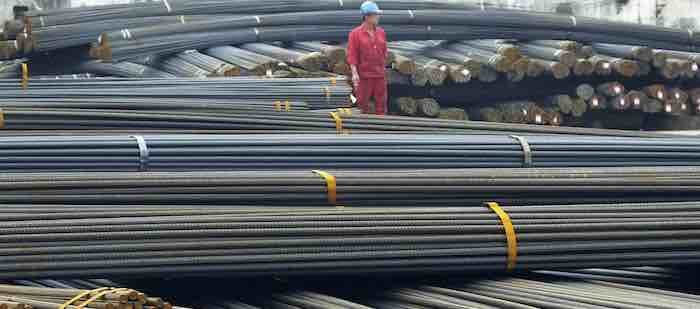
His tariffs will benefit a handful of companies, at least for a while, but they will harm many more. “We have with us the biggest steel companies in the United States. They used to be a lot bigger, but they’re going to be a lot bigger again,” Mr. Trump declared in a meeting Thursday at the White House with steel and aluminum executives. No, they won’t. The immediate impact will be to make the U.S. an island of high-priced steel and aluminum. The U.S. companies will raise their prices to nearly match the tariffs while snatching some market share. The additional profits will flow to executives in higher bonuses and shareholders, at least until the higher prices hurt their steel- and aluminum-using customers. Then U.S. steel and aluminum makers will be hurt as well. Mr. Trump seems not to understand that steel-using industries in the U.S. employ some 6.5 million Americans, while steel makers employ about 140,000. Transportation industries, including aircraft and autos, account for about 40% of domestic steel consumption, followed by packaging with 20% and building construction with 15%. All will have to pay higher prices, making them less competitive globally and in the U.S.

Instead of importing steel to make goods in America, many companies will simply import the finished product made from cheaper steel or aluminum abroad. Mr. Trump fancies himself the savior of the U.S. auto industry, but he might note that Ford Motor shares fell 3% Thursday and GM’s fell 4%. U.S. Steel gained 5.8%. Mr. Trump has handed a giant gift to foreign car makers, which will now have a cost advantage over Detroit. How do you think that will play in Michigan in 2020? The National Retail Federation called the tariffs a “tax on American families,” who will pay higher prices for canned goods and even beer in aluminum cans. Another name for this is the Trump voter tax. The economic damage will quickly compound because other countries can and will retaliate against U.S. exports. Not steel, but against farm goods, Harley-Davidson motorcycles, Cummins engines, John Deere tractors, and much more.Artificially raising the prices of goods, on the theory that it gives a competitive advantage to favored companies or industries, always backfires on consumers. The cost of sourcing steel will now rise for every kind of manufacturer that uses it. Give some thought to how many different kinds of manufacturers are part of that group.
View Comments
Dan Calabrese’s column is distributed by HermanCain.com, which can be found at HermanCain
Follow all of Dan’s work, including his series of Christian spiritual warfare novels, by liking his page on Facebook.