

By News on the Net ——Bio and Archives--October 17, 2025
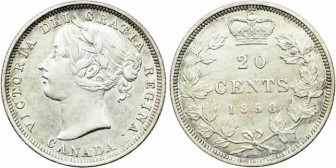
The dollar in your pocket might seem ordinary, but some coins carry stories worth thousands. Coin collecting has grown from a quiet hobby into a serious investment opportunity for Canadians who want to preserve wealth and build financial security. While stock markets fluctuate and real estate prices swing, rare coins offer something different: tangible assets with historical significance and proven appreciation over time.

Let's break it down. The coin market has shown consistent growth, with rare Canadian coins appreciating at rates that often outpace traditional investments. The Royal Canadian Mint reports that limited-edition releases regularly sell out within hours, and certain historical Canadian coins have increased in value by 200-300% over the past decade. This growth isn't speculation. It reflects genuine collector demand and the finite supply of historical pieces.
Starting a coin collection requires knowledge, patience, and access to reputable dealers. Gold Standard Auctions connects buyers with authenticated coins from trusted sources, making it easier for Canadians to enter this market with confidence. Whether you're searching for silver dollars from the early 1900s or modern commemorative pieces, working with established auction houses protects you from counterfeits and overpriced items.
Not every old coin commands high prices. Three main factors determine coin value: rarity, condition, and demand. A coin minted in small quantities naturally becomes more desirable as collectors compete for the limited supply. The condition matters just as much. Professional grading services like PCGS and NGC use standardized scales to rate coins from Poor (P-1) to Perfect Mint State (MS-70). A single grade point difference can double or triple a coin's market price.
Demand shifts based on historical significance and collector trends. Canadian coins featuring monarchs, wildlife, or commemorative events attract strong interest. The 1936 "dot" coins, minted during the abdication crisis, remain some of the most sought-after Canadian pieces. Only a handful exist, and when one appears at auction, serious collectors take notice.
Here is why condition protection matters so much. Coins degrade when handled improperly or stored in damaging environments. Fingerprints, moisture, and chemical reactions can permanently reduce a coin's grade. Collectors use specialized holders, controlled humidity storage, and careful handling techniques to preserve their investments. A well-preserved coin from 1900 can look nearly identical to the day it left the mint.

New collectors often start with one of three approaches: type collecting, date collecting, or theme collecting. Type collectors acquire one example of each major coin design within a series. Date collectors attempt to gather every year and mint mark variant of a particular coin. Theme collectors focus on subjects like wildlife, historical events, or specific monarchs.
Canadian silver dollars offer an excellent entry point. The Royal Canadian Mint produced these coins from 1935 to 1967 in silver, and from 1968 onward in nickel. The silver content alone provides intrinsic value, while certain years and conditions command premium prices. The 1948 silver dollar, with its low mintage of 18,780 pieces, regularly sells for several hundred dollars in uncirculated condition.
Budget planning helps you build systematically rather than impulsively. Set aside a monthly amount for acquisitions, research current market prices, and track your purchases with detailed records. Photograph both sides of each coin, note the grade, purchase price, and seller information. This documentation proves ownership and helps with insurance claims if needed.
Coin shows bring together dealers and collectors in one location, creating opportunities to examine pieces in person before buying. Major Canadian cities host annual shows where hundreds of dealers display their inventory. You can compare prices, ask questions, and negotiate directly with sellers. The Canadian Numismatic Association maintains a calendar of shows across the country.
Online auctions expand your access to rare coins from international sellers. Reputable auction houses provide detailed photographs, professional grading reports, and return policies that protect buyers. Check the seller's ratings, review the grading documentation carefully, and understand the total cost including buyer's premiums and shipping before placing bids.
Local coin shops offer another option, though selection varies widely by location. Established shops with knowledgeable staff can help new collectors learn about authentication and grading. They often maintain want lists and will contact you when specific coins become available. Building relationships with local dealers sometimes leads to first access to new inventory.
Counterfeit coins flood certain markets, making authentication your first priority. Professional grading services physically examine coins using specialized equipment and decades of expertise. They seal authenticated coins in tamper-evident holders with unique certification numbers. You can verify these numbers on the grading service's website, confirming the coin matches their records.
The Sheldon Scale, used by major grading services, ranks coins from 1 to 70. Coins grading MS-60 to MS-70 show no wear and vary only in the quality of their strike and surface preservation. AU (About Uncirculated) coins show slight wear on the highest points. EF (Extremely Fine) and VF (Very Fine) grades indicate increasing levels of circulation wear.
Learning to spot common counterfeits takes practice and reference materials. Weight discrepancies often reveal fakes, as counterfeiters struggle to match the exact metal composition. Examine edge reeding (the grooves on a coin's edge), which forgers frequently get wrong. Study authentic examples at museums or through high-resolution images from grading services.
Environmental control prevents coin degradation. Store coins in areas with stable temperature and humidity, avoiding basements prone to dampness or attics with temperature swings. Airtight holders protect against airborne pollutants and oxidation. Never store coins in PVC-containing materials, as these plastics release chemicals that damage coin surfaces.
Different holder types serve different purposes. Cardboard flips with plastic windows work for basic organization and viewing. Hard plastic slabs from grading services offer maximum protection for high-value pieces. Albums allow you to display complete sets while keeping coins secure. Choose holders made from inert materials that won't react with metal surfaces.
Handle coins by their edges only, never touching the face or reverse. Oils from skin cause spots and toning that reduce grades. When you must handle unslabbed coins, wear cotton gloves or hold them over a soft surface. One accidental drop onto a hard floor can create damage that costs hundreds in lost value.
Coin prices fluctuate based on precious metal values, collector demand, and economic conditions. Silver and gold coins track metal spot prices as a baseline, with numismatic premiums added for rare dates and high grades. During economic uncertainty, investors often shift funds toward tangible assets, increasing demand for coins.
Track recent auction results to understand current market rates. Major auction houses publish prices realized from their sales, showing what collectors actually paid rather than asking prices. Compare multiple sales of similar coins to identify typical price ranges. Be cautious of outlier results that might reflect unusual circumstances.
Timing purchases around market cycles can improve returns. Coin shows at year-end sometimes see reduced attendance, giving buyers negotiating room. Tax refund season in spring can drive prices up as collectors have extra funds. Watch for estate sales and collection liquidations, which sometimes create buying opportunities below typical retail prices.
The 1911 Canadian silver dollar never entered circulation due to design disputes, making it one of Canada's great rarities. Only three examples exist, and one sold for over $1 million at auction. While few collectors will acquire such pieces, understanding what makes them special helps evaluate more accessible coins.
Gold coins from the Royal Canadian Mint's earlier years attract strong collector interest. The 1912 $5 and $10 gold pieces featured King George V and were minted in limited quantities. These coins combine precious metal content with historical significance. Even circulated examples command substantial premiums over gold melt value.
Modern commemoratives offer entry points for new collectors. The Royal Canadian Mint produces limited-edition coins celebrating Canadian achievements, wildlife, and historical milestones. These pieces often sell at modest premiums when new but can appreciate if demand exceeds the mintage. Research which themes attract the strongest collector following before purchasing.
Patience defines successful coin investing. Unlike stocks you can sell instantly, coins require finding the right buyer willing to pay fair market value. Auction houses charge seller's fees of 10-20%, which you must factor into profit calculations. Dealers typically pay wholesale prices when buying collections, offering 60-80% of retail value.
Diversification within your collection spreads risk across different coin types and price points. Mix common date coins in high grades with key dates in lower grades. Include both bullion-related coins tied to metal prices and purely numismatic pieces valued for their rarity. This balance protects against market segment downturns.
Documentation proves authenticity and provenance when you eventually sell. Keep purchase receipts, grading certificates, and any correspondence with sellers. Photograph your collection for insurance purposes and update records when adding new pieces. This paperwork reassures future buyers and streamlines estate planning.
Coin collecting rewards those who study, plan, and purchase strategically. Start with modest goals, educate yourself about grading and authentication, and build relationships with reputable dealers. Your collection can grow in value while providing the satisfaction of preserving pieces of Canadian history. Each coin represents a moment frozen in time, waiting for someone who appreciates both its story and its investment potential.
View Comments
News from around the world