Double Meaning
What is not well known about the Advent season is its dual nature. Unlike modern Advent ceremonies, most celebrations of Advent in history were actually twin celebrations. The Latin word adventus was the translation of the Greek parousia – meaning both the coming of Christ in human flesh and his Second Coming at the end times. Advent, it should be remembered, was always intended to focus on both.
The initial two weeks of Advent, the church would reflect on the Second Coming. Disciples would chasten their spirit, confess their sins, and pray for the quick return of the Lord. The last two weeks would transition to focus on the first Parousia, Christ's birth in Bethlehem.
This writer believes this double meaning in Advent history signals an important reality in the liturgical calendar: Advent and Christmas are never held as a full re-enactment of the life of Christ but point, instead, to our place between the Resurrection and Second Coming. Advent and Christmas are not only about the coming of Jesus, but also about the time between the birth of Jesus and his return.
Four Weeks of Advent
Advent marks the beginning of the liturgical year, leading up to the celebration of the birth of Jesus Christ on Christmas Day.
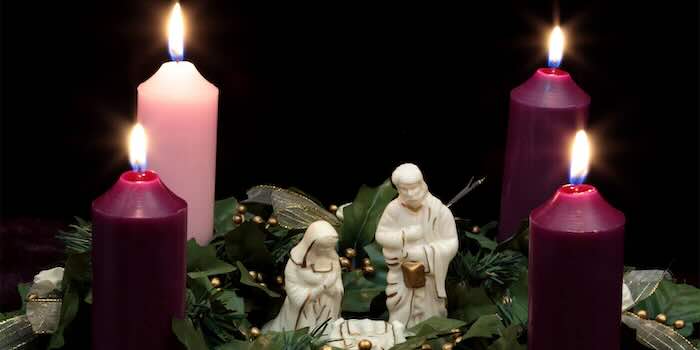
Beyond the festive decorations and the anticipation of gifts, the biblical and spiritual significance of Advent is a profound journey – one of hope, preparation, joy, and love – symbolized by candles added each week.