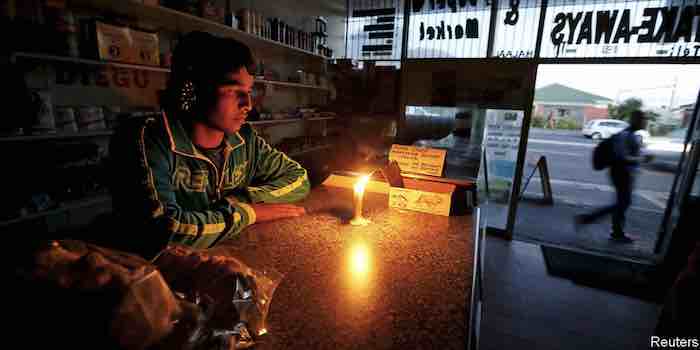
Approximately half of Africans cannot get electricity when they need it
Many sectors are discouraging the use of fossil fuels in Africa in favor of wind and solar.. This has played a direct role in high morbidity and mortality rates on the continent. Homes without electricity for lights and refrigerators, businesses without sufficient power to improve productivity, and millions languishing in abject poverty, all due to lack of energy that otherwise would be available from the much demonized fuels of coal, oil, and natural gas. 1
Approximately half of Africans cannot get electricity when they need it. Only 14.3 percent of people in Central Africa have access to electricity. The combined production of power of 48 countries in sub-Saharan Africa equates to the production of a single western economy like Spain.
The most devastating effect of this energy poverty is felt in health care centers, 60 percent of which in sub-Saharan Africa do not have electricity. According to the United States Agency for International Development, 100,000 public health facilities in the region have no access to reliable electricity. 1
This situation is not unique to the sub-Sahara. Even the advanced economy of South Africa has faced regular power blackouts and load shedding due to mismanagement by the state utility whose policies are now influenced by climate movement's hostile to fossil fuels.