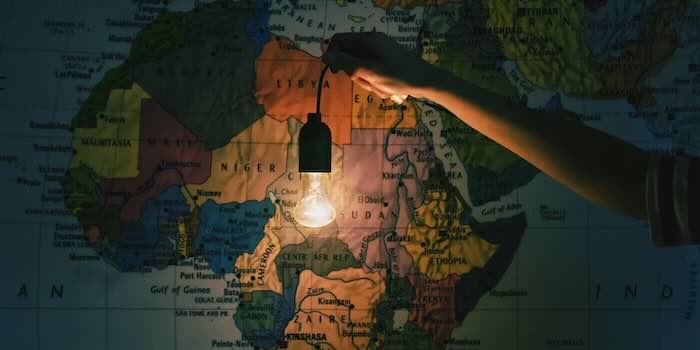
Africa, and individual African countries and regions, should be the ones making decisions on energy, not outsiders
African priorities differ from most of Europe and North America. Among the Dark Continent's most daunting challenges are poverty, malnutrition, lack of infrastructure, and underdeveloped technologies for energy information and communications. Therefore, Africans do not have the option to adapt unscientific and unachievable climate policies that address any of these issues in a serious way. (3)
Nations in Africa's vast continent increasingly rely on their abundant natural resources to drive economic development. Oil and gas deposits have distinguished themselves as significant drivers of economics in several African countries.
Africa finds itself in a very hostile world where there is increasing difficulty in finding the capital to initiate and maintain their fossil fuel projects The World Bank Group that is financing coal projects is under pressure to discontinue its investment in fossil fuel projects. The economic benefits of fossil fuel production are obvious and badly needed. Western leaders must acknowledge them and abandon efforts to force vacuous climate policies on African populations whose rewards of modernity are overdue. (4)
Africa, and individual African countries and regions, should be the ones making decisions on energy, not outsiders, and not based on disinformation, pressure and bullying from outsiders. They should not be forced to accept biomass energy imposed on them by global eco-imperialists. (5)