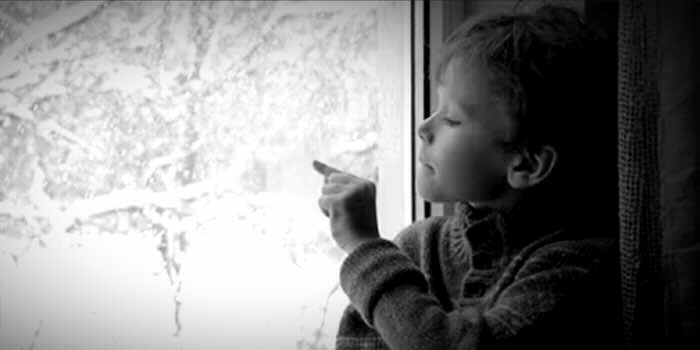
When we returned from morning chores, our shoes and socks rimed with snow, my grandmother had prepared a breakfast as only she could do. The grownups would have had coffee, all except my grandfather who detested it ever since coming out of the army in 1919. I honestly don’t remember what we had that morning, but my grandmother might have made pancakes for such an occasion. These were always topped with brown Karo syrup from the bottle with the green label. If it wasn’t pancakes, then there would have been the standard fare of biscuits, eggs, ham or pork chops or sausage. If it was sausage she would have made gravy to go over the biscuits. I wasn’t interested in the gravy, though, because I was already very fond of the jellies she made, particularly black raspberry. My grandmother made biscuits without using a recipe, sifting flour from the bin in the top of the Hoosier cabinet my brother still has today. She added just the right amount of the salt and the lard or shortening, then the water, mixing and kneading it just a bit with her hands. She would cut the biscuits from the dough with a biscuit cutter before putting them on the baking sheet to go in the oven. I liked my eggs and bacon, but I always looked forward to pulling apart a hot biscuit, letting butter start to melt on each half, then putting a spoonful of black raspberry jelly on each one. I can taste it now, and I remember their loving looks as we boys ate and ate. Few things pleased my grandparents more than the sight of their grandsons eating heartily.
That storm in ’61 helped me begin appreciate the complexity of the farm a bit more. While we had been eating and sleeping in the farmhouse, the livestock, too, had all been snug in their own ways with all their needs provided. All during the blizzard and through the night they were comfortable in their quarters. The chickens came down off their roosts with the morning sun to eat, drink water, scratch, and lay eggs as part of another day.