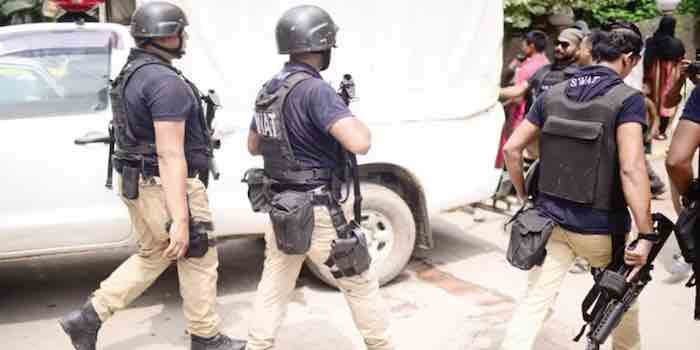
Although the people of Bangladesh rejected the Islamist-jihadist conglomerate of Bangladesh Nationalist Party (BNP) and Jamaat-e-Islami (JeI) and voted for a secularist Awami League in a landslide victory during the general election in December 2008, the task ahead was anything but easy. Prime Minister Sheikh Hasina and her government faced a Herculean task in checking the rise of militancy and terrorism. They also had to eliminate the existence of training camps and hideouts of anti-India separatist groups like United Liberation Front of Asom (ULFA). In addition, fighting jihadist outfits such as Jamaat-ul-Mujahideen (JMB), Harkat-ul-Jihad al-Islami (HuJI), and later the Ansarullah Bangla Team (ABT), which had formed an alliance with Al Qaeda in the Indian Subcontinent (AQIS), proved to be a formidable challenge.
These militant outfits had become increasingly audacious in their attempts to destabilize the law and order situation in Bangladesh. Their ulterior goal was to unseat Sheikh Hasina from power. Attacks targeting secularist individuals, journalists, bloggers, and even foreigners became almost a regular phenomenon. On February 26, 2015, husband and wife, Avijit Roy and Rafida Ahmed, both Bangladesh-born US citizens, were visiting Dhaka to attend a book fair when they were attacked by assailants wielding machetes. Roy was killed, and Ahmed survived but with critical injuries.