Radio made a snowstorm, a blackout, a presidential address, a shared experience. The intimacy of a human voice cutting through static created a bond that television never replicated and digital platforms never attempted.
I recall helicopter traffic reporter Lou Timolat, calling live updates from the FDR and GWB to the BQE and Major Deegan, decades before GPS or digital traffic sensors existed. Such reporting crystalized WCBS’s “traffic and weather together” format, setting a national standard for all news radio and making Timolat an unforgettable memory over 50 years later.
Once upon a time in America, families gathered around the radio, commuters listened in unison, and breaking news traveled through a single, trusted pipeline. Even into the 1980s and 1990s, AM news stations like WCBS, WINS, KYW and locally at WKOK served as civic institutions with a reliability no other medium could match with their anchors’ voices woven into the daily rhythms of life.
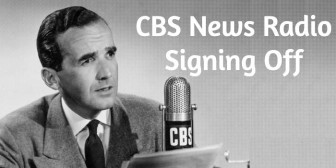
Despite selling its stations in 2017, CBS still fed news to 700 affiliates, including its historic “World News Roundup,” the longest running newscast in the country. That will end May 22 as CBS News Radio will cease operations. The announcement cited “challenging economic realities” and “shifting programming strategies” corporate verbiage for: the AM business model no longer sustains.
AM radio’s competition came from their own sister stations on the FM side of the house with its superior sound quality that pulled the plug on most music programming, leaving AM to reinvent itself as the home of news, talk and sports.
For a time, that pivot worked.