Ordinary and Extraordinary Magisterium are Equally True
Some are under the false impression that dogmatically defining an article of faith is what establishes it as true, when in fact defining dogma simply makes official what already is the case.
For instance, the Council of Ephesus in 431 AD dogmatically decreed that Mary is the Mother of God, but Mary always was the Mother of God and was held as such by the devout from the first century. It was St. John the Apostle who gave Mary the title “Mother of God and of the Redeemer.”
In 1274, the Second Council of Lyons dogmatically decreed the truth of Purgatory, affirming its existence and that souls are purified there after death with the assistance of prayers from the faithful, but this truth was already known and taught from the days of the Apostles and even during the Old Testament.
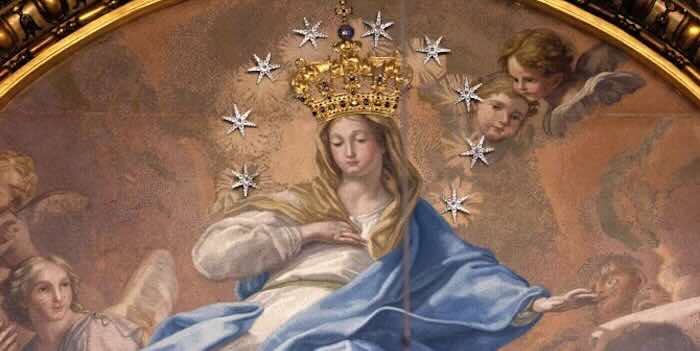
Again, when Pope Pius IX dogmatically decreed that Mary was conceived Immaculate (1854) he didn’t establish something new but was doubling down on what already was true. And while many in the early Church weren’t always in touch with such truths, these truths were certainly known among the Apostles and God’s elect since it was Christ himself who taught these truths.
Some will argue that they have never read this in the Bible, but let them not forget the words of St. John in the Bible where he tells us: “There are also many other things which Jesus did; which, if they were written every one, the world itself, I think, would not be able to contain the books that should be written.” (John 21:25)