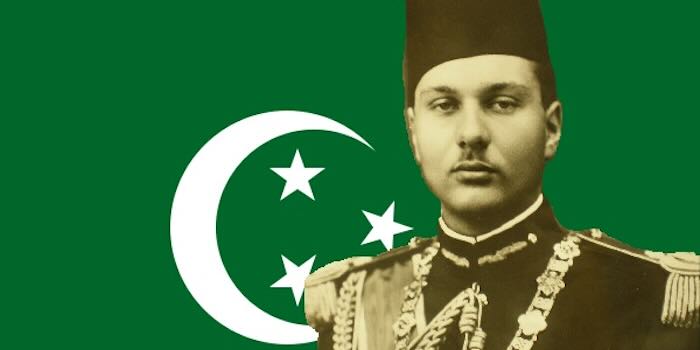
Nasser spent huge amounts of money exporting revolutions and uprisings to other Arab countries
Political: Prior to 1952, Egyptians had a representative parliamentary body with multiple political parties, fair and free elections, and a respectable constitution that all Egyptians could live by. All that was abolished. The new regime created one government party, and free elections were replaced with fake referendums. The constitution was expunged and not replaced until decades later as an Islamic centric document.
Nasser’s dream in creating the Arab Nation (umma) began by separating Egypt from Sudan, which had been one country under one Egyptian king. Later (1958), Nasser united Egypt with Syria, thousands of miles away, and branded Egypt with a name change to United Arab Republic. Once Syrians understood that Nasser was a dictator, the agreement collapsed, and Syria detached. Nasser spent huge amounts of money exporting revolutions and uprisings to other Arab countries such as Algeria, Libya, Yemen and Iraq.
Nasser gave speeches swaying Egyptians to his causes so that they overlooked his war losses in Yemen and Algeria where he wasted away the country’s wealth, creating enemies in other nations without any good reasons.
Soon after, Nasser nationalized private companies and created corporate domains run by his military officials. Now there would be multiple “kings,” i.e., high-ranking coup members dominating industry factories, touristry, service agencies and banks with little or no respect for the law.
Cultural: Prior to 1952, thousands of researchers and intellectuals from around the world came to Egypt for archeological discoveries and studies. Ancient Egypt civilizations entail thousands of years of recorded history. Nasser shunned non-Muslims and discouraged foreign researchers. He disallowed world talents to come to Egypt by prohibiting entrance visas and blocking certain archeological sites from visitors.