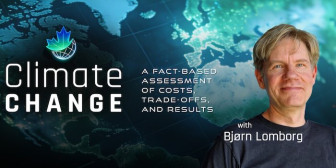
Climate Change: A fact-based assessment of costs, trade-offs, and results
“Throughout history, as more people gained access to abundant and affordable energy, economies grew, living standards improved and prosperity increased, yet in recent years in Canada and across other high-income countries, climate policies have inflated energy costs significantly which slows economic growth,” said Elmira Alikabari, director of natural resource policy at the Fraser Institute.
The latest essays in the series, published today, explore the connection between access to affordable energy and prosperity in Canada and around the world, and how climate policies supplanted other, more beneficial forms of aid to low-income countries. Specifically:
- Abundant, Affordable Energy Is Key to Economic Growth and Prosperity: A 10 per cent increase in energy prices reduced economic growth by about 0.15 percentage points over the 1960 to 2016 period, and yet, across Canada energy prices have increased 88 per cent nationwide since 2000.
- Climate Policy Fixation Blinds Us to Solutions That Actually Improve Human Lives: Instead of reducing emissions in high-income countries, which at best would slow global temperature increases by 0.1 degree Celsius by 2100, people in developing countries would benefit much more from programs to combat diseases, improve nutrition, and improve education.
“Every climate policy comes with costs and trade-offs, and policymakers should be upfront with Canadians about what those are and what Canadians will have to give up to pursue them, be it improved living standards, reduced energy usage, or less progress in developing nations,” Aliakbari said.
Climate Change: A fact-based assessment of costs, trade-offs, and results is a new multimedia research and educational project by the Fraser Institute in collaboration with Dr. Lomborg’s Copenhagen Consensus. It offers Canadians a data-driven analysis of the real risks posed by climate change, and measures the substantial costs and trade-offs that accompany many climate policies.
Media Contact:
Elmira Aliakbari, Director, Centre for Natural Resource Studies
Fraser Institute
To arrange media interviews or for more information, please contact:
Drue MacPherson, Fraser Institute
604-688-0221 ext.721
drue.macpherson@fraserinstitute.org