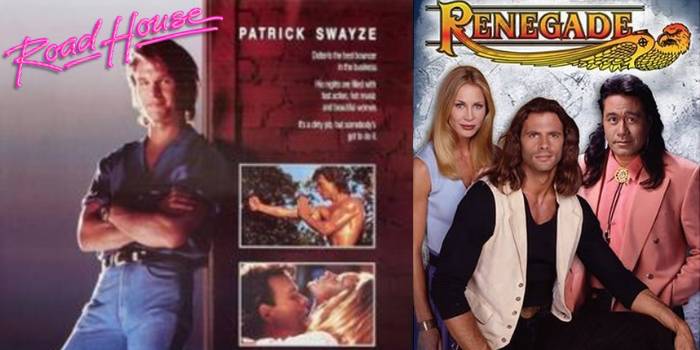
The art is to stop trouble before it happens
Both industries are still expected to decisively handle situations. The way they do so has been toned down from yesteryear's hands-on approach.
I can still hear the incident-waiting-to-happen bounty hunter, et. al., tell me to bodyslam a bail fugitive we were after. I never did that to anyone. Degrading people wasn't my goal.
What became known as my 'safety creation' theory evolved in direct response to narrow mindedness of those days.
I gravitated toward identifying 'pre-incident indicators' to head off trouble in bars before it started. Its energy psychology equivalent was feeling a surge of negative energy about to project out of someone amid music and mingling.
The art is to stop trouble before it happens.
The same held true for bounty hunting. Predicting bail fugitives actions was mandatory in effecting a peaceful or largely peaceful 'surrender' where you captured and searched by a defendant on bail who failed to appear in court.
The 'surrender' ended with the captured bail fugitive delivered to the local jail. You would turn in the arrest.and booking form to the bail agent for payment and to update his or her client records.
I stopped bounty hunting when it became apparent too many bail agents were cheapskates. Bail recovery in its purest form is a commission-only job. Bounty hunters got nickled and dimed for risking life, liberty and liability on behalf of greedy bail bondsmen.
Being a bouncer in today's dangerous entertainment environment isn't something I recommend. In fact, chasing bail fugitives is often much safer.
Bar owners aren't known for their generosity toward bouncers either.
At any rate, that ends my quick trip down memory lane.
Trust me, I have more highlights from the Generation X 'Roadhouse/Renegade' era of bouncing and bounty hunting.
Stay tuned.
Nadra Enzi aka Cap Black addresses 'anti safety' theory and policies through advocacy and consulting usually for free but please don't tell hardcore capitalist friends.