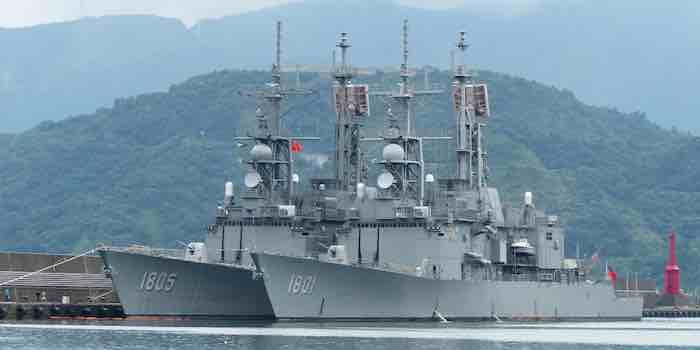
Second, Taiwan is even more dependent on imported food and energy than mainland China. Given the size of its population and geography, Taiwan has a drastic shortage of farmland, a problem worsened by conversion of arable land into solar energy farms and factory sites. As a result, in 2021 Taiwan imported about $15 billion worth of food. Even with storehouses of prepackaged meals, cutting off food imports would mean the 20 million Taiwanese remaining on the island would ultimately be on starvation rations. Add that to Taiwan’s reliance on shipping to import 97 percent of its energy, and it becomes obvious a blockade would quickly put the island Taiwanese in dire straits.
Because Chinese families in China and Taiwan are close in bonds of affection and business, the question arises, will the Taiwanese on the island and on the mainland fight a blockade by China? If so, what could they do? It is certain that an attack on blockade ships by Taiwan’s aircraft and missiles would result in an overwhelming missile, bomb, and gunfire counter-attack by China and its blockade warships. The Taiwan government knows all this, and so it can only rely on the United States and its regional allies to break the blockade for them.
We have arrived at the crucial question. To break the blockade, will the U.S. and its Indian, Australian, and Japanese allies attack the armed forces of China?