The first step is to test your home. Do-it-yourself radon test kits are available
The danger is not that a person breathes radon once or twice. It is prolonged exposure. As radon decays, radioactive particles can be inhaled and damage cells lining the lungs, increasing the risk of cancer. Smoking compounds that risk.
The first step is to test your home. Do-it-yourself radon test kits are available, or you can hire a measurement professional. Testing is best done over a period of at least three months, ideally during the fall or winter, when closed windows and heating patterns can make the results more representative of indoor exposure. Follow the kit's instructions carefully and place the detector on the lowest level of the home that you regularly occupy.
Next, understand the result. If a properly conducted long-term test exceeds acceptable levels, you need to take corrective action. There is no “risk-free” level, so the objective should be to reduce exposure as much as reasonably possible.
If levels are high, contact a certified radon mitigation professional. The most common solution involves installing a system that draws radon from beneath the foundation and vents it safely outdoors. The home should be tested again after mitigation to confirm that the system is working.
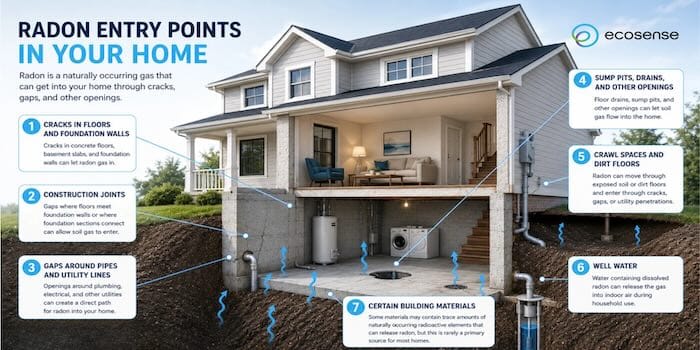
Buying a house? Ask whether a long-term radon test has been done and request the results. Renovating? Consider radon testing as part of the project, particularly if you are finishing a basement or changing how the home is ventilated. And if you have a private well, ask a qualified professional whether radon in the water warrants attention.
“Better safe than sorry.” Another easy, well used line. But you must walk the talk.
***
This column offers opinions on health and wellness, not personal medical advice. Visit www.docgiff.com to learn more. For comments, diana@docgiff.com.