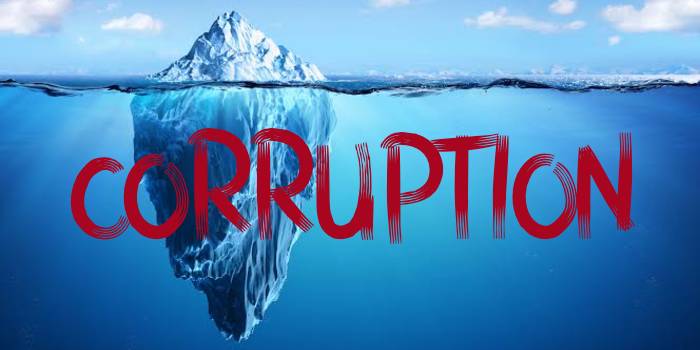
With such massive amounts of money at stake, it’s no wonder that bribery, influence peddling, blackmail, and even murder, are regular tools of drug cartels, mega-corporations, and even political parties who launder cash into political campaigns using identity theft. Everyone wants their piece of the massive pie that is the United States.
Corruption is nothing new…
Between AD 300-400, Roman emperors issued hundreds of anti-corruption laws (unsuccessfully) addressing bribery, embezzlement, sale of offices, judicial corruption and tax fraud.
Provincial governorships and military posts were openly purchased. Governors routinely paid large sums up front, then recouped costs by exploiting taxpayers.
Tax corruption was estimated at 20-40%. Funds were siphoned off by local tax collectors, provincial governors, and military officials.
Tax rolls were falsified. Wealthy landowners bribed officials to shift taxes onto peasants, bankrupting the state while burdening the poor.
Military officers collected pay for nonexistent troops. Equipment budgets were embezzled. In some armies, 10–25% of listed soldiers were fictitious. Soldiers paid bribes to avoid duty or dangerous postings.
Inflation and corruption reinforced each other. From AD 200 to 300, the silver content of Roman coins fell from 90% to under 5%.
Court verdicts were routinely decided by bribes. Judges openly expected payments. Innocent people were convicted for inability to pay.
The elite extracted enormous wealth and paid few taxes. By the 4th–5th centuries an estimated 1–2% of the population controlled over 50% of land. Senators could own estates larger than entire provinces. The state increasingly served private interests over public ones.
Corruption was not the sole cause of the demise of the Roman Empire, but it was a critical accelerant. It drained revenue, undermined military effectiveness, destroyed public trust and shifted loyalty from the state.
Sound familiar?