He made up his mind, then quickly pulled over along the side of the road. The cop slid in behind him on the shoulder.
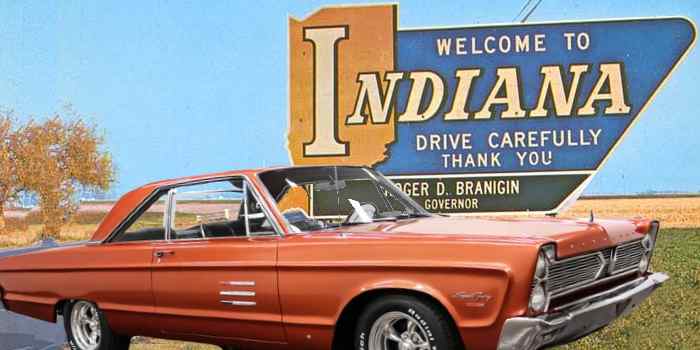
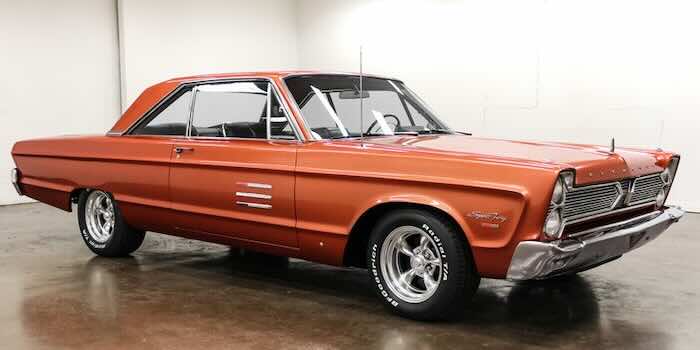
A couple of days later he came by the house where we had shared a room before he married and moved out. I knew the gist of the story by then, and I knew about the railroad track and the oil leak. He said he wanted to show me something. I said, “Sure.” I don’t recall what he was driving that day, but it wasn’t the coppery Plymouth. We rode a few minutes over to Philhower’s Gulf station on National Road east where he pulled into the lot and parked. The Plymouth was in one of the bays, but with the hood down. My brother told me to come over to the side, and I did. An oil pan was sitting to one side with about an inch of oil still in it.
“Stick your finger down there and wipe the bottom of the pan,” he said. I did as he instructed me, pushing my index finger down into the oil to the bottom, drawing it across maybe an inch, then lifting it out. My finger dripped golden motor oil, but on the end of it was a thick coating of gray mud-like residue. I looked at him, not understanding. He simply said, “That’s the bearings.”
It hit me like a crack on my head. Many things became clear to me in that instant and in the years that followed.
I always knew that you had to keep oil in a car engine, but suddenly I knew what would happen if you didn’t. I understood immediately. If for any reason at all the oil light came on or the oil pressure gauge dropped off toward zero, it had to be shut down, and fast. When the light came on that night speeding west away from New Paris, he knew he had to make a decision. The light stayed on, and he pulled it over and shut it off. He would just have to take his lumps, and he did. His lumps taught me a great lesson.
He was and still is a kind brother, the best. I learned a great deal from him when he didn’t know I was watching him. Love ya, Bro. Thank you.