Out!
People who take the easy way out always end up in the same place
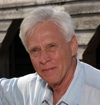
Jimmy Reed , Bio and Archives--February 2, 2015
American Politics, News | Comments | Reader Friendly | Subscribe | Email Us
On Dad’s Mississippi Delta farm, my boyhood best friend and mentor, Jaybird, was the “straw boss.” Anyone who complained about work he assigned would be fired immediately. Such peremptory action deterred others from questioning his orders.
Jaybird’s one-strike-and-your-out method serves me well in college classrooms. If a student is disruptive, he gets the boot; others witness his dismissal and are deterred from misbehaving. Recently, a colleague afflicted with a liberal mindset told me about a student who was disruptive, slovenly dressed, and always in a surly mood. One day, when the student sauntered into class late, she called him out into the hallway. “You have not completed any assignments, you arrive late, and you display a surly attitude,” she said. “Are you interested in getting credit for this course?” Without answering, the boy shrugged and returned to his desk. “What would you do?” she asked me. “That dud would have been off my course roll after the first meeting,” I said.
“Oh, that’s too cruel,” she gasped. “I’d rather encourage him to show up for class, and I’ll counsel him. We must accommodate all students — even those who are lazy and have bad attitudes.” Ho-hum, I thought and walked away. The teacher’s dilemma reminded me of an old saying: “An important job needed doing, and Everybody was sure that Somebody would do it. Anybody could have, but Nobody did. Somebody got angry because it was Everybody’s job; Everybody thought Anybody could do it, but Nobody realized that Anybody wouldn’t. Consequently, Everybody blamed Somebody when Nobody did what Anybody could have done.” People who think the way my teacher friend thinks comfort themselves with the foolish notion that one can escape today’s responsibilities by hoping someone else will assume them or by putting them off until tomorrow. In other words, they take the easy way out, and as Jaybird reminded me many times, “People who take de easy way out always end up in de same place: out!” A wise philosopher once said, “When a person practices good actions, they become easy; when easy, pleasurable; when pleasurable, frequent; when frequent, habitual.” Unfortunately, this progression works both ways; all one need do is change the word “good” to “bad,” and they end up where Jaybird said they would: out. Like good actions, bad actions become easy, pleasurable, frequent, and habitual. I illustrate this truth to my students by discussing a good action that, for some of them, is a bad action: studying. “Let’s say you come home with several assignments,” I point out. “Instead of hitting the books, you plop down in the easy chair and watch television. Inertia takes over.” I explained to them that in physics, inertia is resistance to motion, action, or change. The easy chair induces inertia, encouraging its occupant to take the easy way out. I always end this discussion by repeating the words of the wisest man I have ever known: “Those who take de easy way out always end up in de same place: out!”
View Comments
Jimmy Reed——Bio and Archives
Jimmy Reed is an Oxford, Mississippi resident, Ole Miss and Delta State University alumnus, Vietnam Era Army Veteran, former Mississippi Delta cotton farmer and ginner, author, and retired college teacher.
Other books by Jimmy Reed include The Jaybird Tales.
Copies, including personalized autographs, can be reserved by notifying the author via email (.(JavaScript must be enabled to view this email address)).