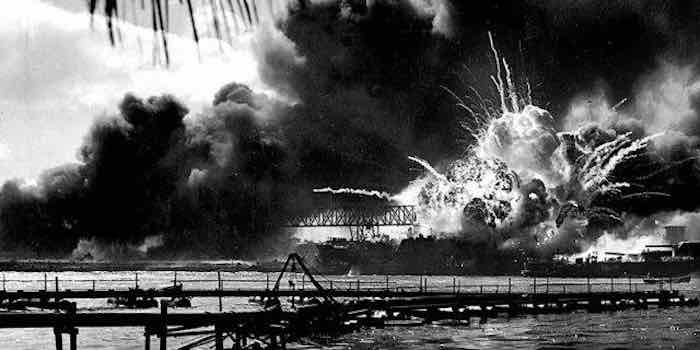
Americans need to know the truth and remember the lessons that should have been learned from such a deadly and costly tragedy
The Pearl Harbor attack was a very brutal act of war and is considered a horrendous atrocity. Of this, there is no doubt. In just two hours, over 2,400 Americans had been killed. 1,178 military personnel and civilians had been wounded, 188 aircraft had been destroyed with an additional 159 more aircraft damaged, and approximately 20 ships were either completely sunk or handily damaged. Such a vision is usually the limit of what citizens may recall about the horrific incident, if they are able to remember their history lessons, if they were even taught such history rooted in reality, rather than muddied by misinformation or disinformation. However, Americans need to know that there was much more.
Americans need to know the truth and remember the lessons that should have been learned from such a deadly and costly tragedy. Such a brutal attack is part of the historical record now. Contemporary military historians usually agree that the surprise bombing and torpedo assault on U.S. planes and ships on December 7, 1941, was one of the most successful in the history of warfare. Japan’s extremely belligerent, empire-building.
Many concerned Americans remember this as a “Day of Infamy” as Franklin D. Roosevelt made it clear in the speech he gave to Congress the following day. Thus December 7, 1941, is etched in history. Roosevelt received word by telephone that afternoon. Although Harry Hopkins, one of Roosevelt’s top aides, could not believe the report, the president was reported as explaining to Hopkins that "It was just the kind of unexpected thing the Japanese would do. At the very time they were discussing peace in the Pacific, they were plotting to overthrow it." The news of the attack activated Roosevelt and his advisers to focus on fragmentary reports about the severity of the damage to U.S. installations, ships, and planes in Hawaii.