The core message is that while renewable energy projects often receive substantial support, their real-world performance during high-stress situations- like storms, heatwaves, or cold snaps- remains questionable. This incident cautions against over-reliance on renewables without adequate grid resilience planning and backup capacity.
Jo Nova concludes, “Instead of spending $650 million dollars on solar and wind and battery, we could have bought two brand new useful diesel generators for every remote town in Australia and then when transmission towers fall down, they won’t be left in the dark.” (4)
United Kingdom
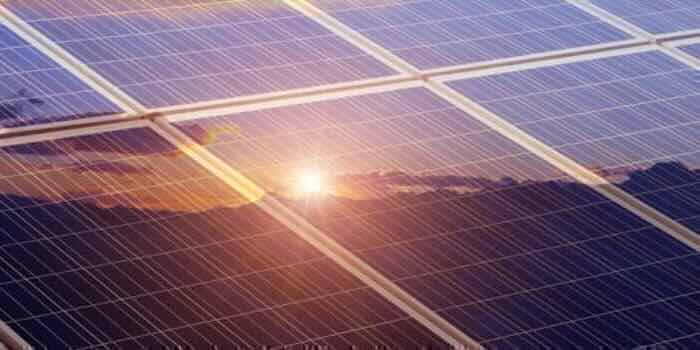
A solar energy company has fallen into administration after racking up more than half a billion pounds in debt to a local authority in Essex, southern England.
Toucan Energy Holdings 1 Ltd., which owns 53 solar farms across the country had borrowed 655 million pounds over four years from Thurrock Council to fuel its expansion. (5)
Italy
The Italian government approved a decree that will ban the installation of solar panels on agricultural land. (6)
Alberta
Alberta is trying to replace coal with a combination of gas with solar and wind but the latter are contributing almost nothing to the project or energy security. (7)
Louisiana
Solar power in Louisiana has become a subject of controversy. The primary issue was land. Where should land be devoted to solar power, and more specifically, what type of land.(8)
Only a certain type of ground is good for solar farms. Farm soil is best because it’s flat, easily accessed and not over any pipelines or channels.
Although it would be more convenient in theory to have them in a place such as bayous and marches because it wouldn’t hurt any other industry, environmentalists strongly opposed that because it would hurt species habitats.
That’s not even considering how much harder it would be to manage a plant of any kind on such shaky infrastructure. (8)