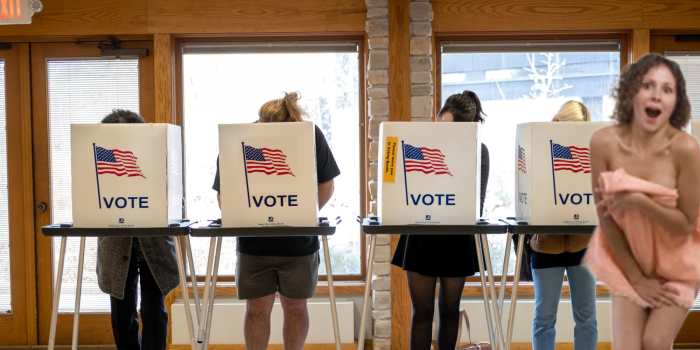
If the rolls do not contain accurate information, elections that rely on voter rolls are open to question
As bad as the ballot conversions and machine intrusions into our elections are, they are only a part of the problems with our elections. Electronic voter databases, also known as voter registration systems or voter rolls, add a further layer of vulnerability. These voter rolls contain information on who is registered to vote, who has been removed from previous rolls, and on who might be temporarily suspended from voting. In those eight states that have universal vote by mail, the rolls determine who will be mailed ballots, and even which ballots will be accepted for processing. Many states allow some form of absentee voting, and the rolls are used there as well.
If the rolls do not contain accurate information, elections that rely on voter rolls are open to question. Unqualified or illegal voters may be allowed to vote if they are improperly included in the rolls. Legitimate voters may be blocked from having their votes counted if they are omitted from the rolls. Even worse, if non-existent or ghost voters are in the rolls, they can be used in conjunction with manufactured ballots in a process of vote assignment, where a created ballot is assigned to a fictional voter in the rolls.
Once a voter registration is inserted in the rolls, it is very difficult to remove. Removal requires significant investigation, and most officials are fearful of removing legitimate voters by mistake. It is easier to simply leave a questionable entry in place and assume it won't matter. Yet every improper registration in the rolls is an opportunity for a bad actor to assign fraudulent votes, thereby altering the outcome of an election.
Furthermore, since these voter roll databases are electronic and centralized, they have the same vulnerabilities of any other electronic database systems. Aside from direct manipulation, the creation of improper entries is a simple matter using existing methods for voter registration. Motor voter laws are intended to make voter registration easy by allowing people to register to vote at the same time they get a drivers license. Citizenship is required to legally register, but this is seldom checked or only superficially checked during registration. Consequently, many unqualified people are entered into the voter rolls through driver registrations.