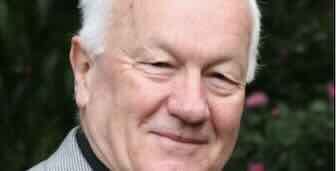
Sir Roger Douglas, finance minister in New Zealand’s reform-minded Labour government between 1984 and 1988 implemented bold structural reforms that rescued his country from financial collapse. The following is a timeless [abridged] commentary Sir Roger wrote entitled “The 10 Principles of Structural Reform.”
Politicians almost universally believe that timely, appropriate and voluntary action to remedy structural economic imbalance should be avoided at all costs because it amounts to political suicide.
That belief leads to the nonsensical idea that governments can retain power by refusing to make necessary and valuable structural reforms.
Here are ten principles of structural policy reform:
- Quality people for quality policies.
The quality of political candidates is a worldwide problem. Politics is a mess because too many people with education, vision and courage are content to criticize from the sidelines. As long as this continues, we will wait in vain for good government in democratic countries.
The importance of good people was evident also in our bold public-sector reforms. Getting the structures and incentives right can transform the performance of many dynamic workers held back by the old system. But it was even more essential to replace the people who could not or would not adapt to the new environment.
- Once objectives are clear, implement reform in quantum leaps.
If you advance a step at a time, the interest groups will have time to mobilize and drag you down.
Packaging reforms into larger bundles is not a gimmick but political efficiency. When reform is packaged in this way, the linkages in the system can be used to see that each action effectively enhances every other action. Large packages provide the flexibility to ensure that gains for the same group in another area offset losses any group suffers. The public will accept short-term pain if gains are spelled out and the community shares the costs and benefits.