Russia has gained substantial practical experience in next generation warfighting
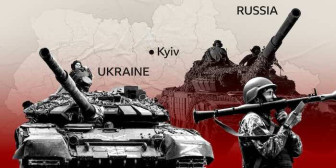
Tanks, once the mainstay of the Russian army, have proven to be vulnerable to modern systems and tactics. After initial deployment and high losses, Russian use of tanks has become much smarter and more effective. Tanks still have use in modern warfare, just not for the kinds of applications in the past.
The net result of the prolonged, US supported Ukraine war is that Russia has gained substantial practical experience in next generation warfighting, drone use, countering Western weapon systems, and new urban tactics. It also now has a generation of soldiers who are experienced in those operations—something that most Western nations lack.
By pushing Russia into closer alliance with China, we make all that experience available to a much larger potential adversary. We know that China has aspirations to annex Taiwan, and they are already seeking to dominate the South China Sea. We really don't want to teach them how to counter the weapon systems they would confront if it came to hot conflict with the US. Forcing Russia into the arms of China would do just that.
Russia entered Ukraine over three years ago with a small set of very specific objectives. Fruitless years of negotiations with Ukraine had not resolved matters. As Clausewitz pointed out, war is the continuation of politics by other means. It appears that Russia's primary goal was to force Ukraine into serious negotiation on long-standing issues relating to seaport access, pipelines, NATO membership, and treatment of ethnic Russians.
Had the Biden regime not supported Ukraine, those negotiations would likely have taken place, tens of thousands would still be alive, and destruction of a beautiful country would have been minimized. If Russian operations were halted today, those issues would still be unresolved. The advice Trump is getting to force Putin to unilaterally halt military operations does not present Russia with a viable option.