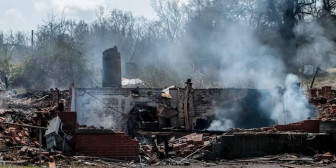
I recently attended the Canadian Health Food Association show in Toronto where I met Leigh McFarlane, owner of a growing soap business, who knows this from experience. A fire tore through her home and shop, and she discovered too late that her insurance policy was woefully inadequate. She lost everything. Today, with grit and resilience, she is rebuilding The Soap Company of Nova Scotia. But the hard truth is that much of her suffering could have been prevented.
McFarlane’s is a story not just about fire. It’s about health. Yes, financial health for sure. But also physical health. Nothing raises blood pressure, shatters sleep or wears down the immune system like the anxiety of financial ruin. Insurance, dull as it can be, is a prescription for peace of mind.
Think broadly about what insurance means. House and home: a burst pipe in winter can flood a basement and rack up bills that rival the cost of a heart bypass surgery. Income security: a sudden disability or the closure of a small business can wipe out years of hard work. Health coverage: travel insurance may seem optional, until you’re on vacation and a heart attack strikes.
Canadians abroad have found themselves facing bills of $50,000 or more for emergency care and medical evacuation. In the United States, where health insurance is tied to employment or costly private plans, uninsured patients often delay treatment, sometimes with deadly consequences from a heart attack that could have been prevented with treatment.