It’s no small concern that North Americans have come to prefer sweeter foods and beverages
It’s no small concern that North Americans have come to prefer sweeter foods and beverages. We also tend to go for colder drinks, not those at room temperature, and that’s not helping. It’s a lesser-known fact that cold temperatures reduce the perception of sweetness. The colder the drink, the less sweet it seems. At corner stores where people shop for refreshment, it’s no small challenge to find selections not full of sugar.
I have been in enough convenience stores around the world to be frustrated at what they offer in this part of the world. Zero nutrition. Garbage drinks, candy, chips, and fatty fast food.
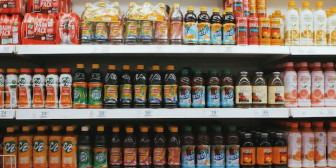
In a typical North American convenience store, stretches of refrigerated space are given over to soft drinks, sweetened iced teas, sports drinks, energy drinks, fruit drinks and flavoured beverages. Fifty per cent of the store may seem like an exaggeration, but it’s not far off, and the other half contains chips, candy and other highly processed food.
It’s a public health disaster that the North American beverage environment has become saturated with sweetness
By contrast, a convenience store in Japan offers a very different experience. You will find some sweetened drinks, but you will also find an astounding assortment of unsweetened green tea, barley tea, oolong tea, black coffee, sparkling water and plain water. Unsweetened tea is not a niche health product. It is a regular beverage.
It’s a public health disaster that the North American beverage environment has become saturated with sweetness. And we should do some finger pointing, because taste is trainable.
If someone gets sickly sweet drinks often enough, that level of sweetness becomes familiar. Reduce the sweetness and, for a while, the drink may seem tasteless. But the palate adapts. What is astonishingly sweet to a child visiting from afar can become unremarkable to a local who has been drinking it for years.