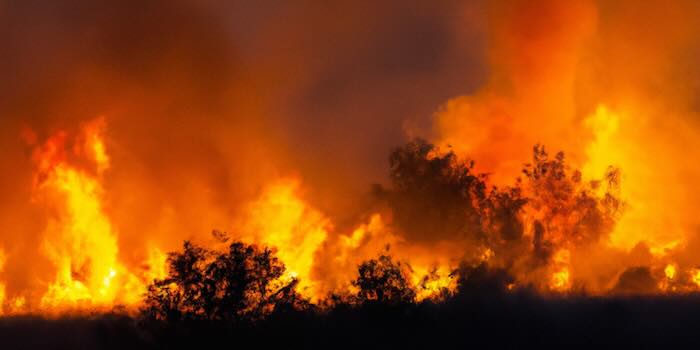
As in the similarly extensive blazes in Jasper, Slave Lake, and Fort McMurray in Alberta, and Lytton and West Kelowna in British Columbia, the conventional building materials have included lumber, plywood, oriented strand board, window frames and various plastics, all of which are flammable. Canada has billions of trees and a significant forestry industry, so naturally, wood products have served as building materials for centuries. Yet they have proved over and over to be deficient when it comes to fire resistance. It does not have to be this way –builders have alternatives.
Fire-resistant structural wooden beams and posts are available. Builders of so-called ‘mass timber’ (glued-laminated timber, cross-laminated timber and structural composite lumber, as the Canada Wood Council describes them) high-rise buildings are employing them, including in Canada, but they are not in widespread use.
Cost is likely a key consideration. On a building materials website, a standard four-foot-by-eight-foot panel of fire-resistant plywood was fifty-one percent more expensive than untreated spruce-pine-fir plywood. However, materials are just one factor in home construction costs.
A report from Headwaters Economics in 2022 determined, in summary, “In northern and southern California, building an Enhanced wildfire-resistant home increased construction costs by approximately CAD$4,032 over the baseline home. Constructing a home to optimum wildfire resistance increased overall costs by $26,208 in northern California and $39,024 in southern California” (figures converted from US dollars).
The materials used were standard non-combustible options, including cement, fibreglass, or metals. So far, these proposed materials and design changes are not mandatory in California, a wildfire-prone state.