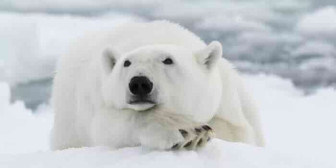
For decades distressed polar bears on distant ice caps were an emblem for climate change—until experts began to doubt the effectiveness of these visuals. (1)
Over the past 20 years, climate activists have elevated various stories of climate catastrophe, then quietly dropped them without apology when the opposing evidence became overwhelming.
The only constant is the scare tactics, says Bjorn Lomborg. (2)
The Washington Post warned in 2004 that the species could face extinction and the World Wildlife Fund’s chief scientist claimed some polar bear populations would be unable to reproduce by 2012.
Then in the 2010s, campaigners stopped talking about them. After years of misrepresentation, it finally became impossible to ignore the mountain of evidence showing that the global polar bear population has increased substantially. (2)
Recent survey results suggest the global polar bear population is at least 32,000, although the estimate has a wide range of potential error. (3)
The assessment that polar bears are currently thriving is not based solely on estimates of a slight increase in global population size but on the published data gathered from studies on the bears physical and reproductive health.
Let’s look at various locations: