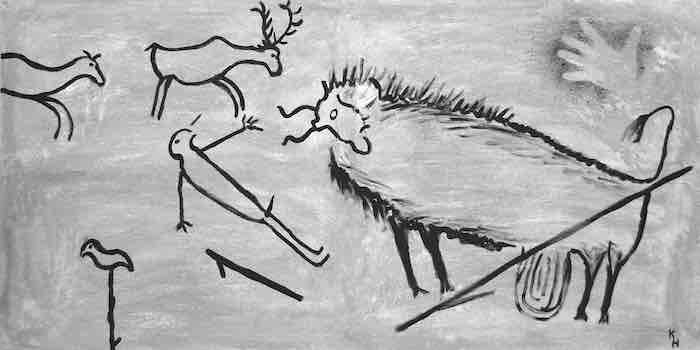
As far back as we have recorded history, humans have been hunter-gatherers. They hunted, cooked, ate and sometimes farmed cattle, goats, sheep, pigs, ducks, turkeys, swans, antelope, buffalo, caribou, mammoths, deer, bears, horses, mules, donkeys, camels, seals, herrings, prawns, oysters, crabs, clams, cod, whales, sharks, salmon, kangaroos, possums, rabbits, hares, rats, mice, dogs, cougars, eels, snakes and even other humans. (Aboriginal cannibals on the Palmer River gold field in early Australia preferred to eat sweet Chinamen who ate lots of rice rather than oversalty Britishers who ate lots of salt beef.)
When the hunters were successful, ancient tribes rejoiced and feasted mightily before the meats spoiled. But when the hunters failed and starvation threatened, they relied on the gatherers for ripening fruits, honey, tubers, wild onions, nuts and laboriously harvested grains. They learned that some plant foods, especially grass seeds, were toxic unless treated in special ways by grinding, roasting, fermenting and cooking. Meats were the favoured food but some tribes also consumed raw milk, butter, cheese and blood from their animals. Some ate fish and water fowl. Fruits were seasonal foods and tubers, onions and grains were survival foods. Party foods like sugar, alcohol and apple pie were more recent inventions.
Human teeth reflect the foods they are designed to use – canine eye-teeth for gripping and ripping meat off bones, incisors for cutting bite-sized bits, and molars for chewing and grinding. And humans have the forward-focussed eyes of predators, not the all-round eyesight of their wary herbivore prey.