Now There’s Something You Don’t See Every Day! The BrickCraft Brickyard
Survival in Tough Times: Wherever we go in the Heartland, just look around to see the handiwork of the American brickmaker
Dr. Bruce Smith , Bio and Archives--June 25, 2024
HeartlandLifestyles | Comments | Reader Friendly | Subscribe | Email Us

If we are to build a wall against the chaos and the darkness, someone must first make the bricks.
My dad was naturally curious about most everything. It sometimes puzzled me that he would pursue the answer to a question as far as he did. But that curiosity brought him many benefits. He was never bored. He was fascinated with history and current events and everyday life. Driving past Stonehenge during the war, he stopped and walked around the deserted site. He visited a Victorian prison in England that he never forgot and camped near Roman ruins at Bath. He saw the great Normandy invasion fleet on D+3 from the air. His curiosity often resulted in strokes of good luck, and he passed that curiosity along to his sons by example. The trait still brings us good luck, too, verified in this column.
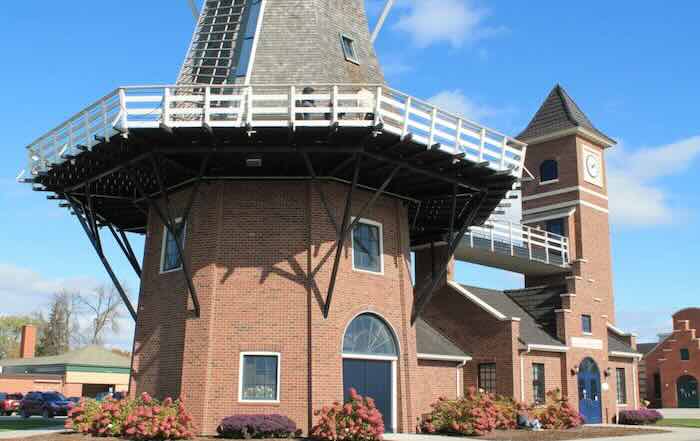
Commonplace things tend to lull us into losing some of our curiosity. It’s the old ‘familiarity breeds contempt’ idea. Brick buildings are commonplace in every part of the heartland and around the world. I had driven past the intersection of Indiana 59 and Indiana 46 a few times, and I had noticed the big cream-colored building sitting amid the many stacks of bricks. I didn’t really investigate until last week when I thought the place might be unusual enough to give it a closer look. What first caught my eye was the enormous pile of layered clay and shale that waxed and waned every few months. When I was able to see that pile, I knew I was onto something. They were actually making bricks here in the Heartland, like the Assyrians and the Israelites had done, but with better technology. There might be material for a column here, I thought.
With a few minutes to spare recently, I decided to stop in to ask a couple of questions about production and sales. When I went into the stiflingly hot building on a 90+ degree day, my dad’s good luck was with me. I introduced myself to a pleasant person behind a thick glass window who asked me to wait a minute while she made a call. I was told to go upstairs to the main office and talk to Roy. On the way back to the steps, employees standing beside stacks of deep red bricks on steel-wheeled carriages nodded to me. I could already tell it was a well-run place. I could feel the heat increase as I ascended the steps. Roy waved me into a plain, wonderfully cool office.
When I told him I was with Canada Free Press and was here to do a column on the brickworks, it was like visiting an old friend. I apologized for wearing handyman clothes, but his reply was “I can see you’re not afraid of work.” I could hear my dad saying the same thing. I was having another lucky day.
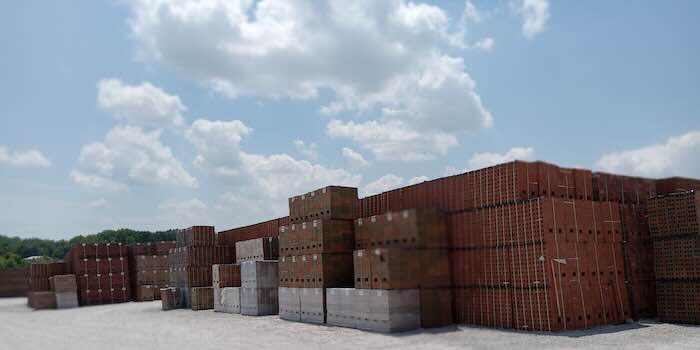
My first question was about annual production. “We make about 40 million bricks a year. We’re just a medium-sized place.” He explained that the average sized two-story brick veneer house will use about 20,000 bricks. BrickCraft is one of four brickyards in Indiana. The biggest one makes 100 million bricks per year. I could believe it. Outside stood two or three acres of tightly packed bricks in stacks ten or twelve feet tall. Trucks stood by for loading and transport to points near and far.
Western Indiana has long been known for industry based on coal, clay, and stone. Crockery, decorative tile, bricks, block, and drain tile all contributed to the area’s prosperity. In keeping with this tradition, the clay, shale, and sand used to make BrickCraft bricks is all mined nearby. Even clay suitable for fire brick is right there in the mine. Years ago the ready availability of local coal meant that the firing of ceramic products could be done with a local resource. These days, it’s natural gas that provides the heat for the kilns.
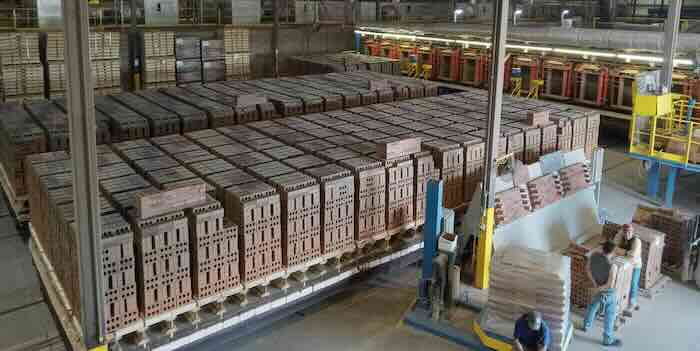
This plant was put together with used machinery from other sites, including one in Canada. Its moderate size kept it running without layoffs during the 2008 financial meltdown, unlike some bigger plants. It takes plenty of hands-on maintenance and clear thinking to maintain the operation.
Making bricks is not as easy as filling a Velveeta box with mud. There’s a delicate balance to be maintained with the ingredients in order to produce the correct texture, shape, color, and hardness. It’s a hand-on manufacturing process. We’ve been hearing that all the production jobs have been sent overseas, but BrickCraft is an example of manufacturing jobs staying right here at home.
As Roy carefully explained the brickmaking process he told me of a unique ingredient they use. Finely ground waste glass goes into every brick for its chemical properties. It’s used to help the clay, sand, and shale particles bond better. The glass would ordinarily be disposed of in landfills, but BrickCraft uses waste glass collected from all over the eastern half of the US in its bricks. It’s a great example of combining knowledge of chemistry with frugal thinking.
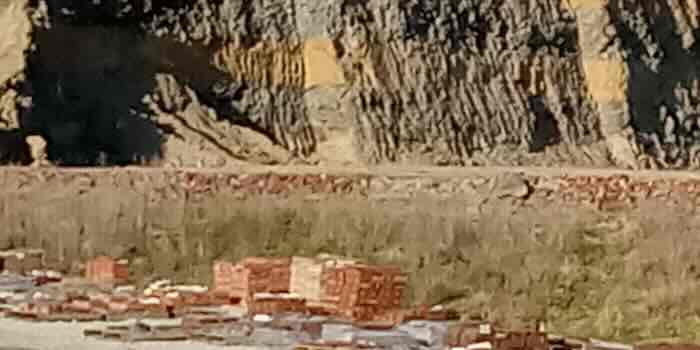
The ingredients are mixed, moistened, compressed to exclude air, and then extruded into the familiar brick shapes. They must be stackable before they are fired, so green bricks contain only 15% moisture and are already rather stout before they go into the kiln for firing. The kilns are heated up to 2000°, a temperature which drives carbon and sulfur out of the bricks. Ceramic dishes, tiles, block, and bricks all have a semi-musical tone when they have been tempered under fire. Listen for it next time you dry the dishes or scrape two bricks together.
Wherever we go in the Heartland, just look around to see the handiwork of the American brickmaker. If you go to Center Point and Ashboro, Indiana, take a look at a real brickyard. Now there’s something you don’t see every day!
Learn more at BrickCraft
View Comments
Dr. Bruce Smith (Inkwell, Hearth and Plow) is a retired professor of history and a lifelong observer of politics and world events. He holds degrees from Indiana University and the University of Notre Dame. In addition to writing, he works as a caretaker and handyman. His non-fiction book The War Comes to Plum Street, about daily life in the 1930s and during World War II, may be ordered from Indiana University Press.