Punish Politicians Who Quit on Their Constituents
Despite the fact that more than 80 percent of Americans – including large supermajorities of Republicans, Democrats, and Independents – support such a policy, it gets nowhere because doing so would require politicians to check their own power

News on the Net -- Amac, Bio and Archives--December 13, 2025
News in Brief—News Headlines | Comments | Reader Friendly | Subscribe | Email Us
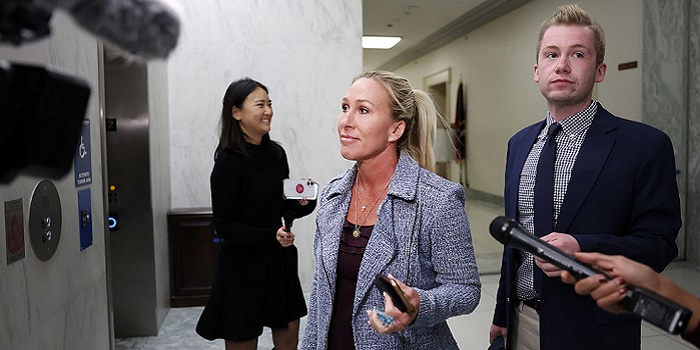
As Republicans cling to a majority of just 220-213 seats with two vacancies, rumors are swirling that the GOP could lose the gavel even before a single vote is cast in next year’s midterms as a result of early retirements. While members of Congress are free to resign and explore whatever other opportunities they wish, there should be consequences for failing to honor the compact they made with voters.
Late last month, Georgia Rep. Marjorie Taylor Greene shocked the political world when she announced that she would resign from Congress effective January 5, 2026. In a video statement on social media, Ms. Greene explained that she has become disillusioned with Republican Party leadership and with President Donald Trump, whom she once championed.
With Greene’s retirement, the math becomes precarious for House Speaker Mike Johnson. After January 5, Republicans will have a 219-213 majority. A special election in January to fill the late Rep. Sylvester Turner’s (D-TX) seat makes it 219-214. On April 16, voters in New Jersey will choose the replacement for Governor-elect Mikie Sherrill, who represented a D+9 district. That’s another likely win for Democrats, making the count 219-215.
This scenario would leave Republicans with just a one-seat majority (if a vote is tied, the bill fails) – meaning that any unexpected deaths or illnesses could suddenly put Democrats back in charge of the chamber. ---More...
View Comments
News from around the world