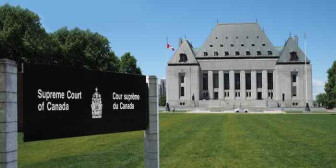
In both cases, the Federal Court held the issues were moot because the vaccine travel mandate had been rescinded after the cases had been filed and cross-examination had occurred, but prior to the court hearings. Dismissing a case as moot means that the court has found that its decision will not have a practical effect and that it is not worth the time and effort to decide the case otherwise.
In regard to the Covid vaccine travel mandate, however, at the time the federal government rescinded the vaccine travel mandate, the Minister of Transport had threatened to bring back the mandate without hesitation.
The Applicants argued that the doctrine of mootness ought to be reconsidered by the Supreme Court because emergency orders by their nature are evasive of review, resulting in no oversight by courts or elected legislators.
Hearing these cases would have allowed the Supreme Court to determine whether it is appropriate to allow governments to evade judicial scrutiny of their decisions made through emergency orders. Unlike legislation passed by Parliament, emergency orders are made through Cabinet orders and are protected by Cabinet privilege, meaning Canadians cannot learn the reasoning behind the decisions.
Lawyer Allison Pejovic says, “This case was of paramount importance to all Canadians, and they have been denied the right to know whether the federal government acted lawfully in preventing them from travelling and leaving the country based on their refusal to take a novel medication that failed to prevent transmission of Covid, and that has caused death and serious harm to many people worldwide. Deeming cases challenging draconian emergency orders that harmed millions of Canadians moot damages confidence in the justice system and undermines the rule of law.”