You Can Lose Weight
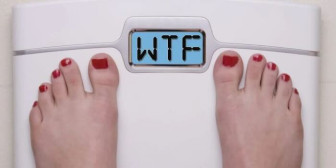
If you’d like to lose weight naturally, step on the scale and record the number. For two weeks, serve smaller portions at every meal. Then, eat slowly. Give the body time to send signals. Two weeks later, step on the scale again;

Diana Gifford Jones , Bio and Archives--September 19, 2026
Health and Medicine | Comments | Reader Friendly | Subscribe | Email Us
An astounding majority of North Americans are dismantling their health. I won’t quibble with definitions of what constitutes being overweight or obese. But I am comfortable saying that about seven in ten of us are carrying extra pounds. And I have zero concerns with saying that extra pounds take their toll.
Furthermore, with few exceptions, we each have what it takes to shed those pounds. But people like to complain. They abandon their willpower. They don’t learn what they can do to get back in better form. And now they just pop another pill.
When a large majority of people are succumbing to quick and artificial fixes, our society changes, and not for the better. I want to live in a world where the basics are held sacred, including moderate, clean, sustainable and healthy consumption of nutritious food.
We need to fight back against trends undermining our personal responsibility for our own health. If the medical community won’t do it, then let’s explain basic physiology to children, teens, and any adults who don’t know it.
Maintaining a trim waistline is a very good goal. Yet, many have let the middle region grow! But three times a day or more, we have opportunities to reduce the risk of developing a long list of diseases. The human body possesses mechanisms designed to prevent overeating. But a fast-paced and convenient lifestyle doesn’t give the mechanism a chance.
Here’s how it works. As food is eaten, the walls of the stomach start to stretch. Sensors in the stomach detect that stretching and begin sending signals to the brain. These signals travel through the vagus nerve, a major communication highway between the gut and brain.
As food reaches the small intestine, additional hormones including cholecystokinin, peptide YY and GLP-1 are released. These hormones have several jobs, but one is to tell the brain that nutrients have arrived and that more food is not required. GLP-1 and related signals also slow the movement of food through the digestive tract.
The new generation of weight-loss drugs exploits this natural system. Semaglutide, the active ingredient in
Ozempic and Wegovy, activates GLP-1 receptors, reducing appetite and slowing the emptying of the stomach. Tirzepatide, sold as Mounjaro and Zepbound, activates both GLP-1 and GIP receptors, reducing appetite and food intake while also slowing gastric emptying.
One way or the other, the sensation is familiar to everyone who has pushed away a plate. Enough!
But a person can eat a lot of food before those signals have had time to arrive and be interpreted. A fast eater can finish a big meal in ten minutes and still feel hungry. Another ten minutes and it would be different.
Research has also revealed that the stomach responds to volume as well as calories. Stretch receptors respond when the stomach expands, regardless of high-calorie or low-calorie food. Distending the stomach activates neural pathways involved in feeling full. It’s the intestines that are keeping track of nutrients.
This is an old piece of biology. Other mammals have the same basic gut-brain communication system. Mice and rats are routinely used to study it, and similar mechanisms have been demonstrated in other mammals. We should pay it our respect.
If you’d like to lose weight naturally, step on the scale and record the number. For two weeks, serve smaller portions at every meal. Then, eat slowly. Give the body time to send signals. Two weeks later, step on the scale again.
This column offers opinions on health and wellness, not personal medical advice. Visit www.docgiff.com to learn more. For comments,diana@docgiff.com.
View Comments
Common Sense Health with Diana Gifford-Jones
Sign-up at DocGiff.com to receive my weekly e-newsletter. For comments, .(JavaScript must be enabled to view this email address). Follow on Instagram @diana_gifford_jones
Older archives of Dr. Gifford Jones