
By Paige Mueller. ——Bio and Archives--March 28, 2025
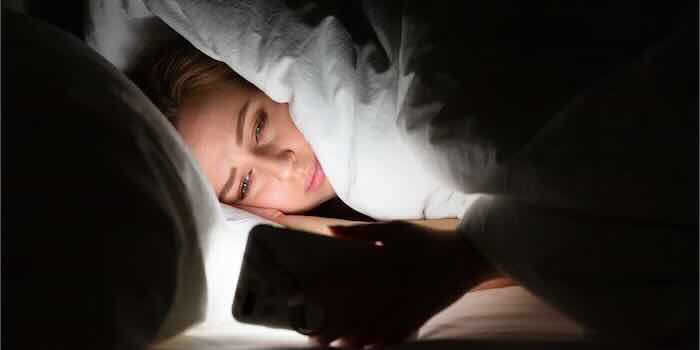
If you lose hours into the void while scrolling online, you may already suspect that screen time has drawbacks. Perhaps you feel distracted, less positive, and less productive since online gaming and TikTok hijacked your spare time. But did you know that sleep disturbances linked to screens can derail more than just your mood?

Blue light emitted by smartphones, computer monitors, and TVs may disrupt natural sleep cycles, long after we turn these devices off. Another term for your sleep cycle is circadian rhythm. It’s an internal clock that calibrates light and hormones to ensure you sleep and recover when you should.
It turns out that blue light, especially when it enters the eyes after dark, is Kryptonite for sleep. With the power to trigger insomnia, daytime fatigue, and even long-term health issues, it’s worth learning how to manage your screen time for good rest and your best life.
What is your circadian rhythm? It’s an internal clock that regulates how you wake up and fall asleep each day. This process is influenced by natural daylight stimulating wakefulness and darkness triggering a hormone called melatonin. This rhythm isn’t instant cause-and-effect but an ongoing system of checks and balances that depend on your body taking in light at the right times.
Enter blue light screens held close to your face each day and well into the night. Blue wavelengths are like daylight; they signal to the brain, through the eyes, that the time of day is well before sunset.
According to research from Harvard Medical School, blue light exposure seems to suppress melatonin production more dramatically than other colours on the spectrum. That’s why many people don’t feel sleepy by the time their head hits the pillow.
Research also finds blue light exposure may hold back melatonin production for three hours and prevent REM (rapid eye movement) sleep. REM is critical for emotional processing and memory consolidation. It’s no wonder that poor sleep quality without REM can leave us feeling foggy, forgetful, and even miserable.

Blue light is an important, physical factor for sleep quality, but screens steal attention and sleep in other ways, including:
Screen time addiction may also stem from deliberately captivating design elements that prey on psychological factors. Social media and gambling apps, for example, extend user time with surprises, rewards, and social validation. People stay glued to screens as their “like count” or jackpot grows. Social validation through followers and likes keeps us engaged, and the fear of missing out (FOMO) creates a sense that we’ll miss opportunities if we look away. Meanwhile, mobile casino apps and the top ranking pay by phone casinos bring the thrills of gambling experiences directly into our bedrooms. Aside from the dopamine rush keeping players up late, there is growing concern that sleep-deprived individuals experience increased risk-taking or impaired decision-making skills.
While content captivates us, ad personalization and “one-click” frictionless payment systems make numerous daily activities and purchases feel easier on-screen. People often ask themselves, “Why drive to the store and run errands tomorrow, when I can stay up late and click through a virtual marketplace from my bed?”
Feeling a little tired may be the least of your problems if you constantly lose sleep to your screens. Chronic sleep deprivation has been connected to:
The developing brains of children and young adults are particularly vulnerable to sleep disruption because their physical, emotional, and psychological development are still in progress.
It may seem impossible to choose between tech devices and good sleep, but you don’t have to. Here are a few proven strategies to keep you well-rested and connected:
1. Give yourself a digital curfew
If screen stimulation keeps you awake or affects your sleep quality, you might benefit from dedicated “wind-down” time. Dim the lights, set aside 1-2 hours away from computer or phone screens, and spend time reading, meditating or relaxing. Apps like Instagram have “sleep mode” settings you can utilize.
2. Use blue light glasses or screen filters
It’s easier than ever to find blue light blockers and red-tinted glasses you can wear in the evening. Most newer phone devices also have built-in blue light filters in their night mode settings.
3. Set aside a dedicated sleep space
It’s become common to have TVs in the bedroom and smartphones in the bed, but your most satisfying sleep could depend on creating a sacred space for light-free, noise-free rest. Consider purchasing an alarm clock and black-out curtains, then put your phone away far from your bed at nighttime.
4. Turn off notifications
Even during the day, keeping notifications off can be helpful to break screen addiction behaviours. At minimum, change your phone’s settings to pause or silence these, so you can sleep undisturbed.
5. Ditch the shades
During the day, getting plenty of natural light into your eyes and on your skin can do wonders for your circadian rhythm and overall mood. You’ll find that after soaking up the sunrise, midday light, and red sunset rays, you’ll naturally feel tired when you should and will sleep deeply. If you must work indoors or in the dark, consider daylight lamps and light panels to increase your exposure.
Losing sleep to screens is a relatively new problem in human history. However, a better understanding of your natural cycles, psychological needs, and mindful restrictions can help keep life and tech in optimal balance.
View Comments