

By Guest Column John——Bio and Archives--August 23, 2024
Global Warming-Energy-Environment | CFP Comments | Subscribe | Email Us
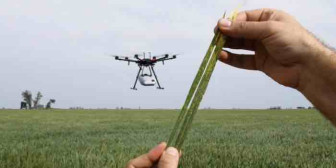
As the world's population continues to grow, the demand for food has never been higher. Farmers and agricultural professionals are constantly searching for innovative ways to protect their crops and maximize their yields. One technology that has emerged as a game-changer in recent years is drone technology and its applications for pest control in agriculture.
Drones, also known as Unmanned Aerial Vehicles (UAVs), have become increasingly sophisticated and accessible, offering a wide range of benefits for farmers. These aerial vehicles can be equipped with various sensors, cameras, and spraying mechanisms, making them a powerful tool in the fight against pests and diseases.

Drones offer several advantages over traditional pest control methods, such as manual scouting and ground-based spraying. One of the most significant benefits is their ability to cover large areas quickly and efficiently. Drones can access hard-to-reach areas, providing farmers with a comprehensive view of their fields and the ability to identify and target pests more effectively.
Another key advantage of drone technology is its precision. Drones can be programmed to apply pesticides or biological control agents with pinpoint accuracy, reducing the amount of chemicals used and minimizing the impact on the environment. This targeted approach also helps to conserve resources and reduce costs for farmers.
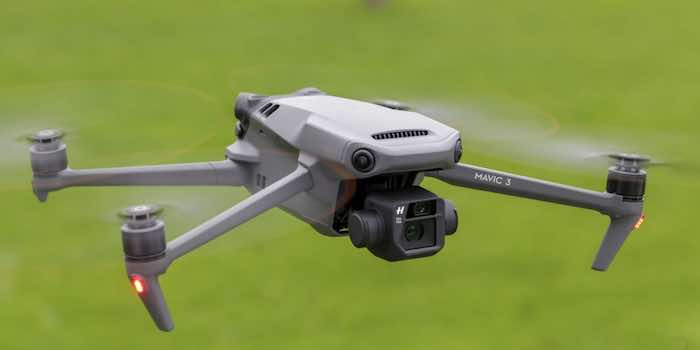
With the help of drones like the dji mavic 3, farmers can monitor their fields more efficiently and make data-driven decisions. By analyzing this data, farmers can make more informed decisions about when and where to apply pest control measures, ensuring that their resources are used as efficiently as possible.

While drone technology offers numerous benefits for pest control in agriculture, the effectiveness of this approach can vary depending on the specific circumstances. Here are some scenarios where drone technology is particularly well-suited:
One of the most effective ways to use drone technology for pest control is for early detection and monitoring. By regularly scanning their fields with drones, farmers can quickly identify the presence of pests or the onset of disease. This early warning system allows them to take action before the problem escalates, saving time, money, and resources.
Drones can be especially effective when dealing with localized pest infestations. Their precision and maneuverability allow farmers to target specific areas of their fields, applying pesticides or biological control agents only where they are needed. This approach not only reduces the overall use of chemicals but also minimizes the impact on non-target areas.
In many agricultural settings, certain areas of the field may be difficult to reach with traditional ground-based equipment. Drones, however, can easily navigate these challenging terrains, such as steep slopes, dense vegetation, or areas with limited access. This allows farmers to maintain a comprehensive view of their crops and respond to pest threats more effectively.
In addition to pest control, drones can also be used to monitor the overall health and growth of crops. By capturing high-resolution aerial imagery, farmers can track the progress of their plants, identify any nutrient deficiencies or water stress, and make adjustments to their management practices accordingly.
To maximize the effectiveness of drones in pest control, it’s important to follow the best practices:
To ensure that drones perform accurately, they need to be regularly calibrated and maintained. This includes checking the sensors, updating software, and performing routine inspections. Proper maintenance ensures that the drone delivers reliable data and functions smoothly during pest control operations.
Operating a drone for agricultural purposes requires specific skills and knowledge. Farmers and drone operators should undergo proper training to understand how to use the drone’s features effectively, interpret the data collected, and apply pesticides safely. Well-trained operators can make the most of the technology and avoid potential issues.
Drones are subject to regulations that vary by region. It’s important to be aware of and comply with these regulations, which may include restrictions on where and when drones can be flown, as well as requirements for operator certification. Compliance ensures that pest control operations are conducted legally and safely.
While drone technology offers numerous benefits for pest control in agriculture, it is not without its challenges and limitations. One of the primary concerns is the cost of the technology, which can be prohibitive for some smaller or resource-constrained farmers. The regulatory environment surrounding drone usage can be complex, with varying rules and restrictions depending on the location.
Another limitation of drone technology is its reliance on weather conditions. Strong winds, heavy rainfall, or other adverse weather events can limit the effectiveness of drone-based pest control operations, as the drones may not be able to apply treatments as effectively.
Furthermore, the integration of drone technology with existing pest management strategies requires careful planning and coordination. Farmers must ensure that their use of drones complements and enhances their overall pest control approach, rather than replacing other proven methods entirely.
Drone technology has emerged as a powerful tool for pest control in agriculture. By offering the benefits of early detection, targeted application, and comprehensive monitoring, drones can help farmers optimize their pest management strategies and maximize their crop yields.
As the technology continues to evolve and become more accessible, we can expect to see an increasing adoption of drone-based pest control solutions in the agricultural sector.
View Comments
Items of notes and interest from the web.