Camping Outdoors with Pets
Camping can be a rewarding and exciting experience for both you and your pet, but safety should always be your top priority. With a little preparation and the right gear, you can enjoy an unforgettable adventure together.

Guest Column -- Anil Baswal, Bio and Archives--April 7, 2025
Lifestyles | Comments | Reader Friendly | Subscribe | Email Us
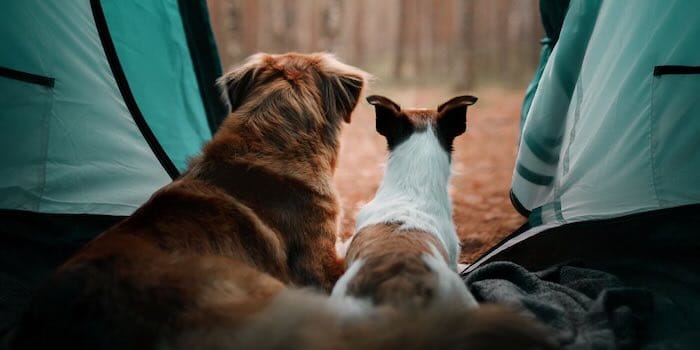
Camping is one of the best ways to bond with your pets while enjoying the great outdoors. However, taking your dog, cat, or even rabbit on a camping trip requires a bit of extra preparation. With the right care, gear, and knowledge, your camping experience can be safe and fun for both you and your pet.
Health and Safety
Before you hit the trails or set up camp, ensure your pet is in good health. A visit to the vet for a check-up is a smart first step. Make sure your pet is up-to-date on vaccinations, especially rabies and leptospirosis, and ensure they're protected against fleas, ticks, and worms. If you’re traveling in areas with lots of insects or wildlife, consider bringing along additional insect repellents or protective clothing for your pet.
Packing for Your Pet
Just like you pack a bag for yourself, your pet needs their own camping gear. This should include their food and water, collapsible bowls, leash, harness, waste bags, and any medications they may need. Don’t forget to bring their favorite toy or blanket, which can help them feel more at home in an unfamiliar environment.
If you have a dog, a long lead or tether is helpful to allow them to roam safely within a certain area without the risk of them wandering off. If you plan to be near water, make sure your pet is a strong swimmer, or keep them out of deep areas to avoid any accidents.
Safety in the Great Outdoors
Camping can be unpredictable, so it's essential to always supervise your pet. Wild animals like raccoons, skunks, or even bears can be a danger to your pet, so keep your dog on a leash or tether at all times if it isn't well trained to stay close to you. If you’re hiking or spending time in areas with thick brush, make sure to check your pet’s coat regularly for ticks, burrs, or cuts. If your pet has sensitive paws, consider using booties or applying paw balm to protect their feet from rough or hot surfaces.
At night, ensure your pet sleeps in a secure, dry spot—inside your tent or in a safe enclosure. This will keep them safe from wildlife and the elements.
Calming and Comfort
Some pets, especially those who aren't used to the outdoors, can feel anxious in new environments. Keep their routine as consistent as possible, and use calming aids, like natural calming collars or sprays, if necessary. Give them plenty of breaks, playtime, and attention to keep their spirits high.
Camping can be a rewarding and exciting experience for both you and your pet, but safety should always be your top priority. With a little preparation and the right gear, you can enjoy an unforgettable adventure together.
Anil writes on Health, Wellness and Lifestyle
View Comments
Items of notes and interest from the web.